
-
US Tariffs Are Changing the Game: Here’s How Canadian Exporters Can Stay Ahead

Canadian exporters are feeling the pressure. The newest wave of US tariffs has disrupted cross-border trade in ways that go beyond price tags. From delayed shipments to cost overruns and sudden classification changes, exporters across multiple sectors are being forced to adapt—fast. At WTC Group, we’ve spent over two decades navigating international trade complexities. This…
-
Canada’s Role in the Future of Global Plastic Resin Supply Chains

Global industries are increasingly reliant on plastic resin—a foundational material in products ranging from food packaging to automotive components. The global packaging resins market alone was valued at USD 233.78 billion in 2023 and is projected to soar to USD 429.67 billion by 2032, growing at a 7.1% CAGR. This explosive demand is reshaping global…
-
Operation Clean Sweep: Why WTC Group Is a Proud Member

Discover how WTC Group is leading sustainable logistics through Operation Clean Sweep. Learn about our advanced resin-handling systems and environmental commitment.
-
How We Achieved a 400% Increase In Throughput At WTC Group’s Kingsway Terminal
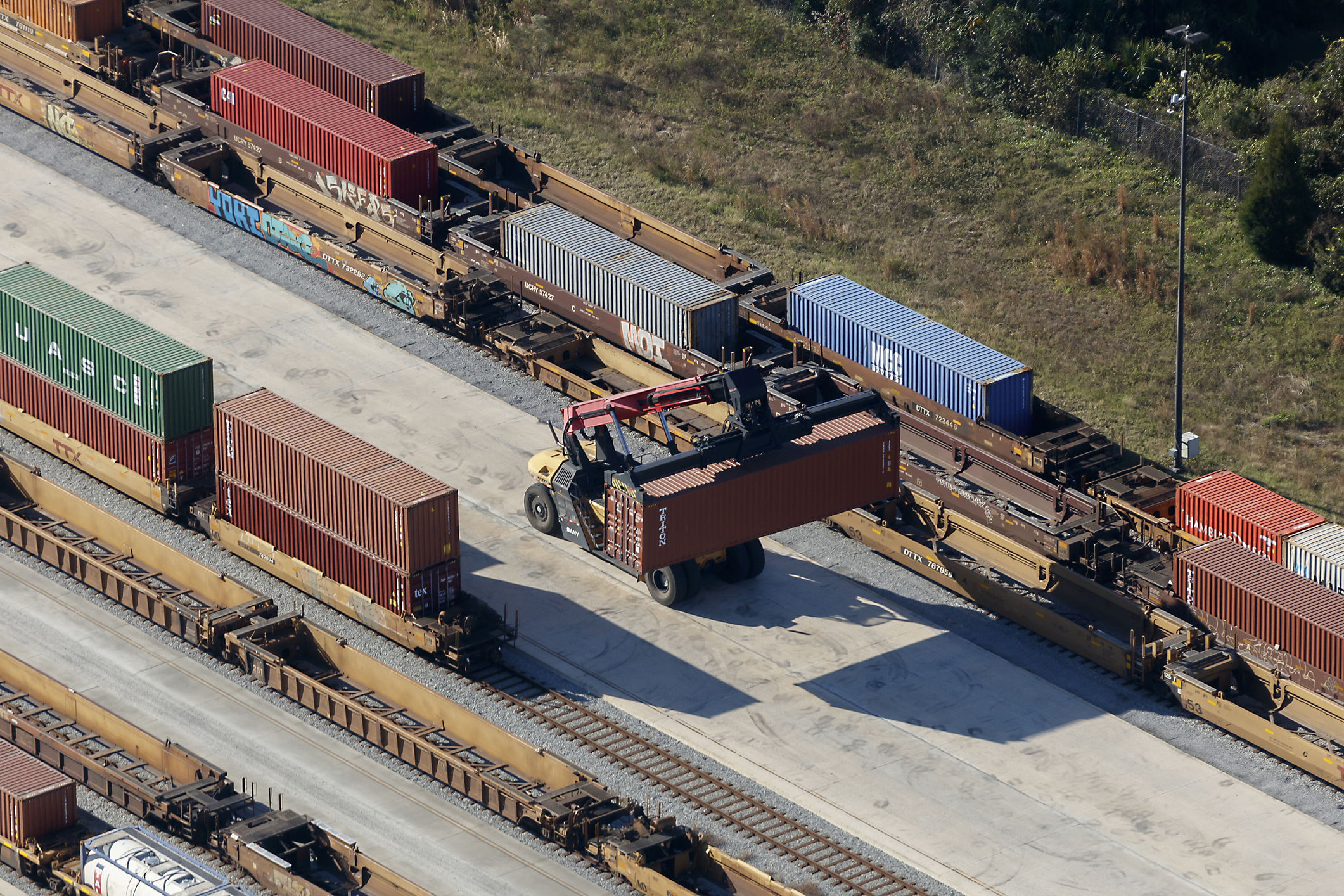
Discover how WTC Group’s Kingsway Terminal optimized transloading and supply chain efficiency with smart upgrades, doubling capacity for future growth.
-
The Impact of Supply Chain Disruptions on Canada’s Economy
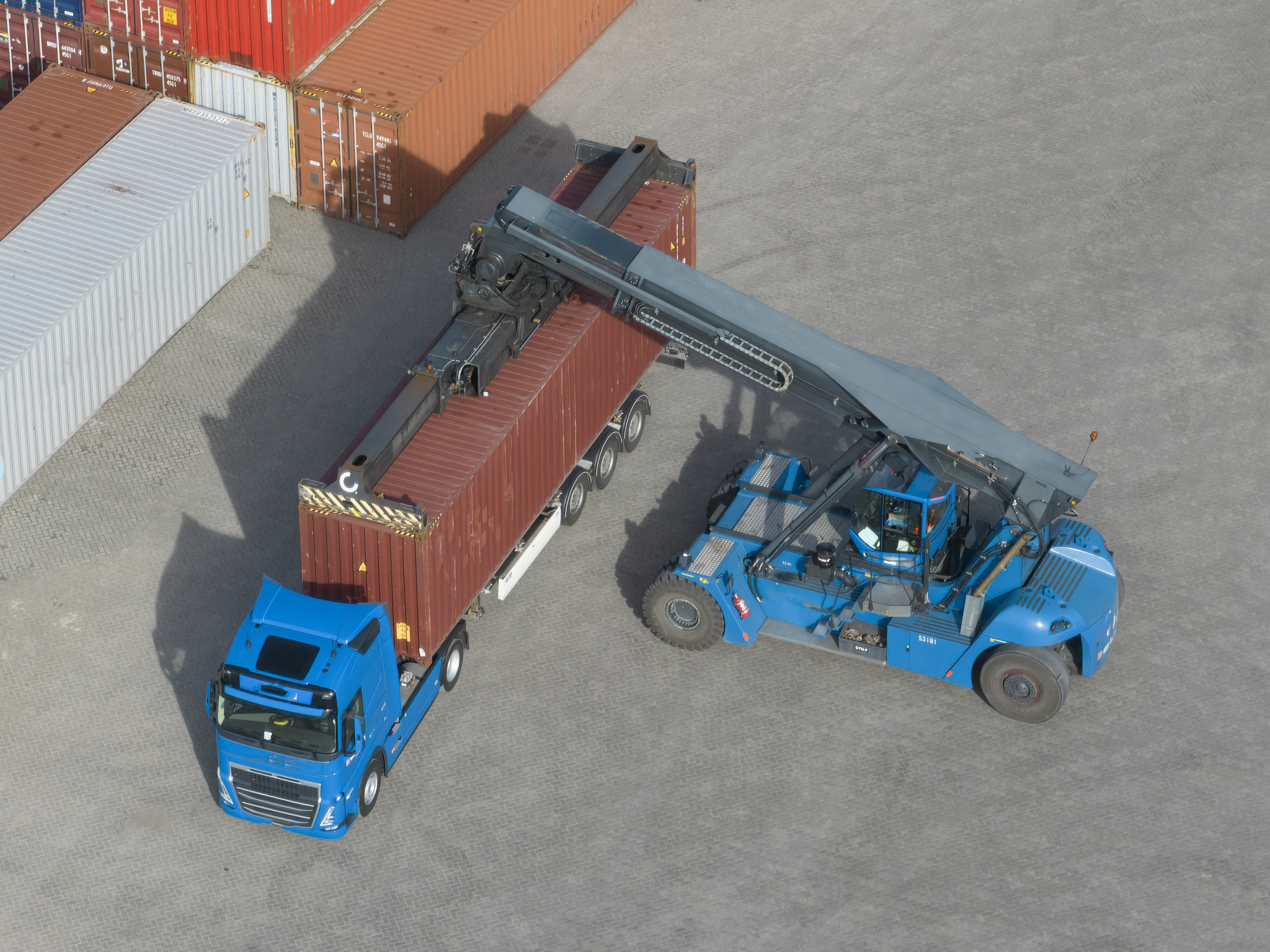
Learn how Canada’s port lockout and U.S. tariffs disrupt supply chains, and how WTC’s OTR Program keeps goods moving to support businesses through these challenges.
-
Bagging Pulse Crops For Export: How Canadian Beans and Lentils Are Transloaded

Learn how transloading optimizes the export of Canadian beans and lentils. Discover the benefits of bulk-to-bag and bag-to-bag systems for global market access.
-
How WTC is Leading GHG Emission Reductionin Transloading
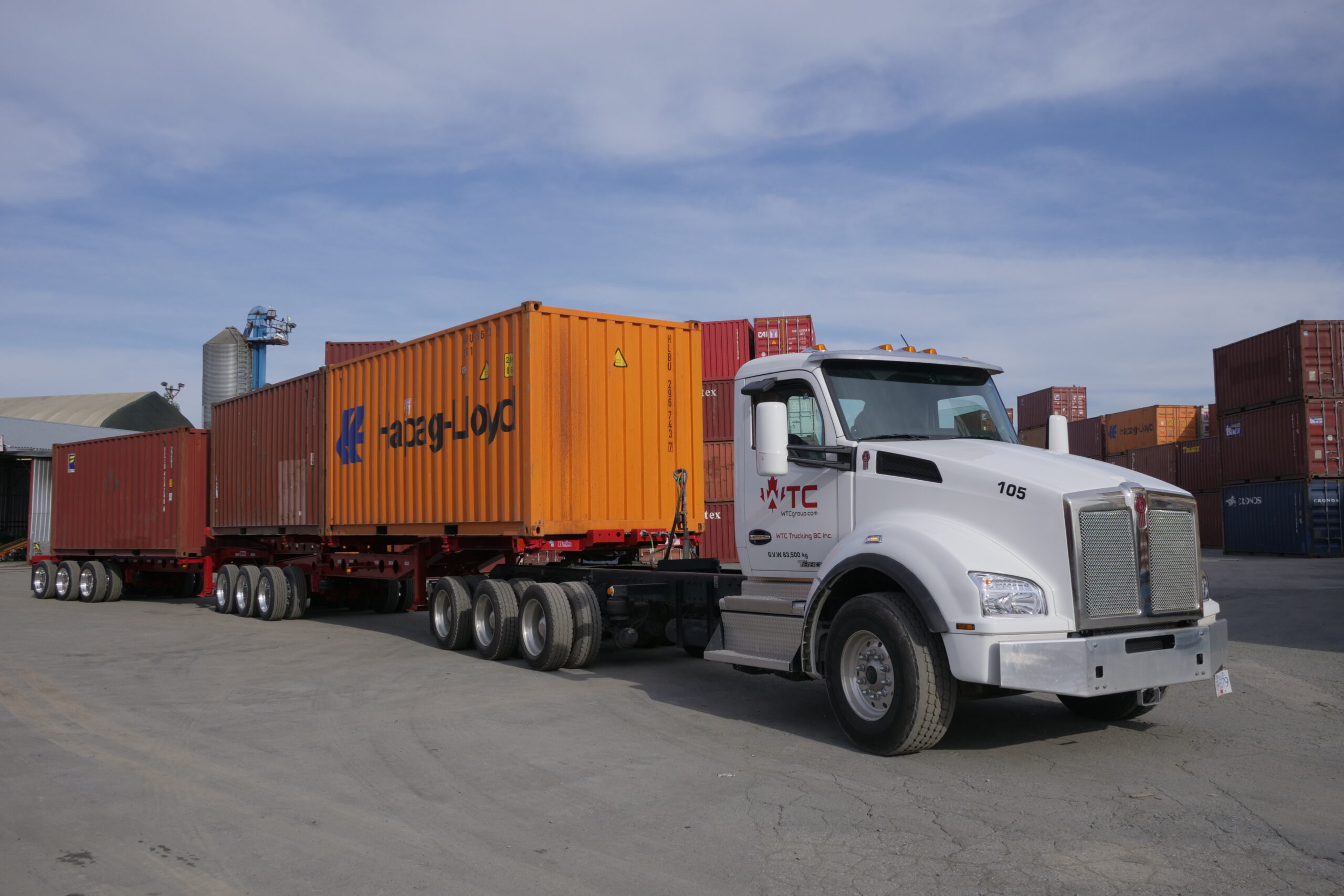
Freight transportation is a cornerstone of the global economy, moving billions of tons of cargo annually by trucks, planes, ships, and trains. All this activity contributes significantly to greenhouse gas (GHG) emissions, accounting for about 8% of global emissions, a figure that rises to 11% when including warehouses and ports. The growing demand for freight,…
-
Ensuring Reliable Logistics with WTC’s Emergency Over-The-Road Program & ShipSmpl

Supply chain disruptions can lead to significant operational and economic impacts, highlighting the critical need for reliable logistics solutions. When supply chains experience bottlenecks or failures, the entire logistics network becomes vulnerable, risking substantial delays and increased costs. Ensuring the stability and efficiency of logistics networks is essential for maintaining seamless operations. In an environment…
-
The Outlook for Canada’s Wheat and Pulse Crop Exports in 2025 and Beyond: A Promising Turnaround
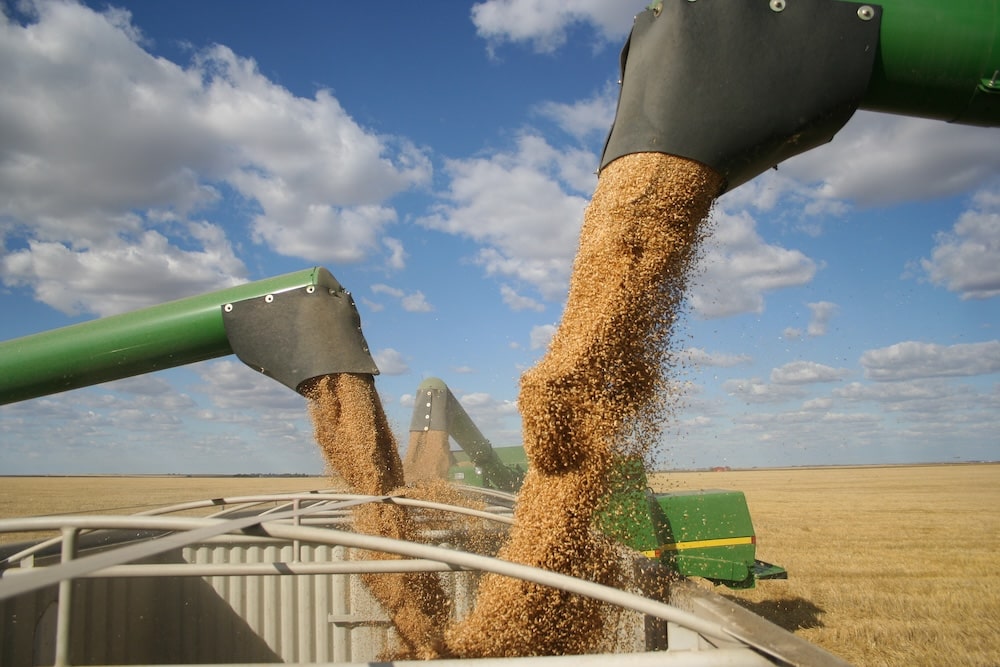
As we look ahead to 2025, the forecast for Canada’s wheat and pulse crop exports appears exceptionally bright. After grappling with last year’s challenging drought conditions, favorable moisture levels have set the stage for a significant turnaround. This data behind this renewed optimism suggests that Canada is poised to hold a strong position in the…
-
The Switch to EcoDiesel: 1 Year Analysis of Emissions Savings
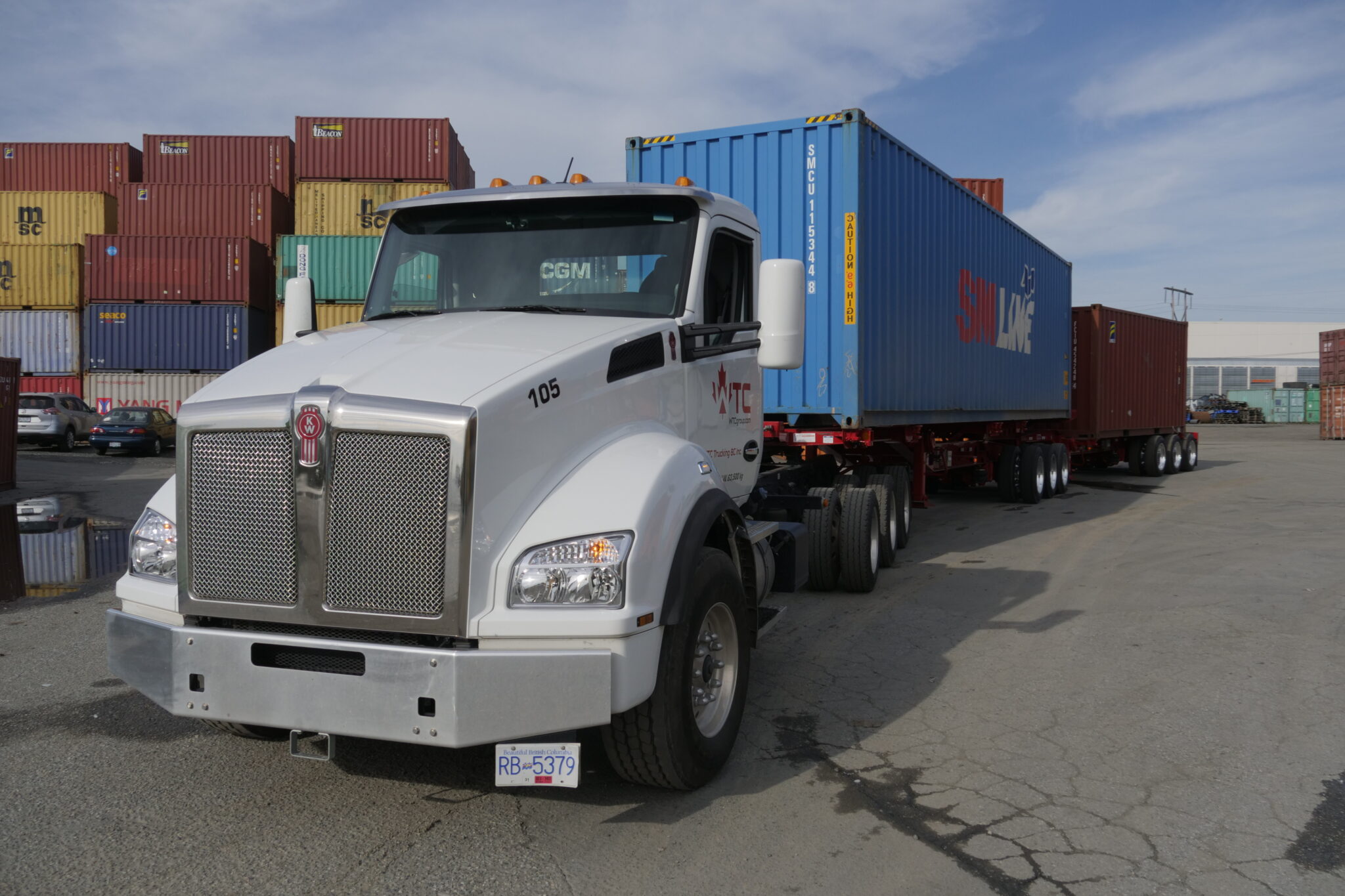
Over the past few decades, we’ve seen a dramatic shift towards sustainability. As awareness grows, more individuals and companies adopt eco-friendly practices, reshaping consumer behavior and business ethics. This shift is significant in the logistics industry, where the global transportation of goods is inherently resource-intensive. WTC Group is leading this charge by embracing greener technologies…