
-
Less Than Truckload or Full Truckload Shipping: Which Is Better for Your Company?
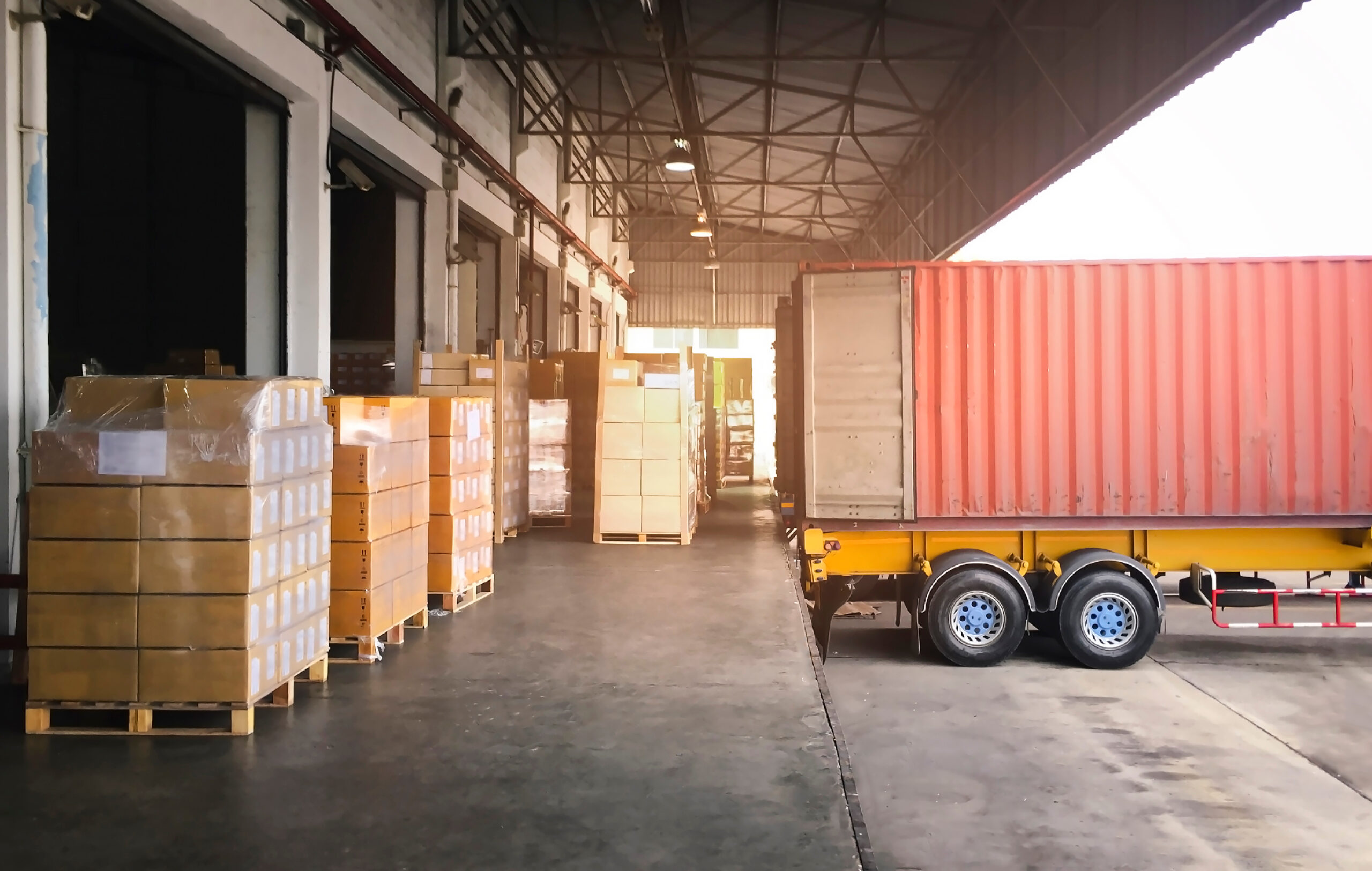
Choosing between less than truckload and full truckload shipping is one of the most practical decisions a growing business will face when mapping out next year’s freight budget. The choice affects your per-shipment costs, your transit reliability, and how much flexibility you have when order volumes shift from month to month. For Canadian manufacturers, exporters,…
-
Grain Harvest Expectations in Saskatchewan and Alberta: What Exporters Need to Know for Peak Season

Every grain harvest carries a note of uncertainty until the last field is off, but by late summer, that uncertainty usually narrows into a clearer picture for Saskatchewan and Alberta. Spring seeding conditions, summer rainfall, and the pace of crop development all feed into a running forecast of what this year’s wheat, durum, and pulse…
-
Do You Need a Customs Broker? A Guide for Canadian Importers and Exporters
Whether you are importing raw materials, exporting finished goods, or moving commodities across the Canada-US border on a regular basis, the question of whether you need a customs broker comes up sooner or later. For some businesses, the answer feels obvious. For many others, it stays unclear until a shipment is delayed, a penalty notice…
-
Would Cross-Docking Be Beneficial for Your Shipping Logistics?
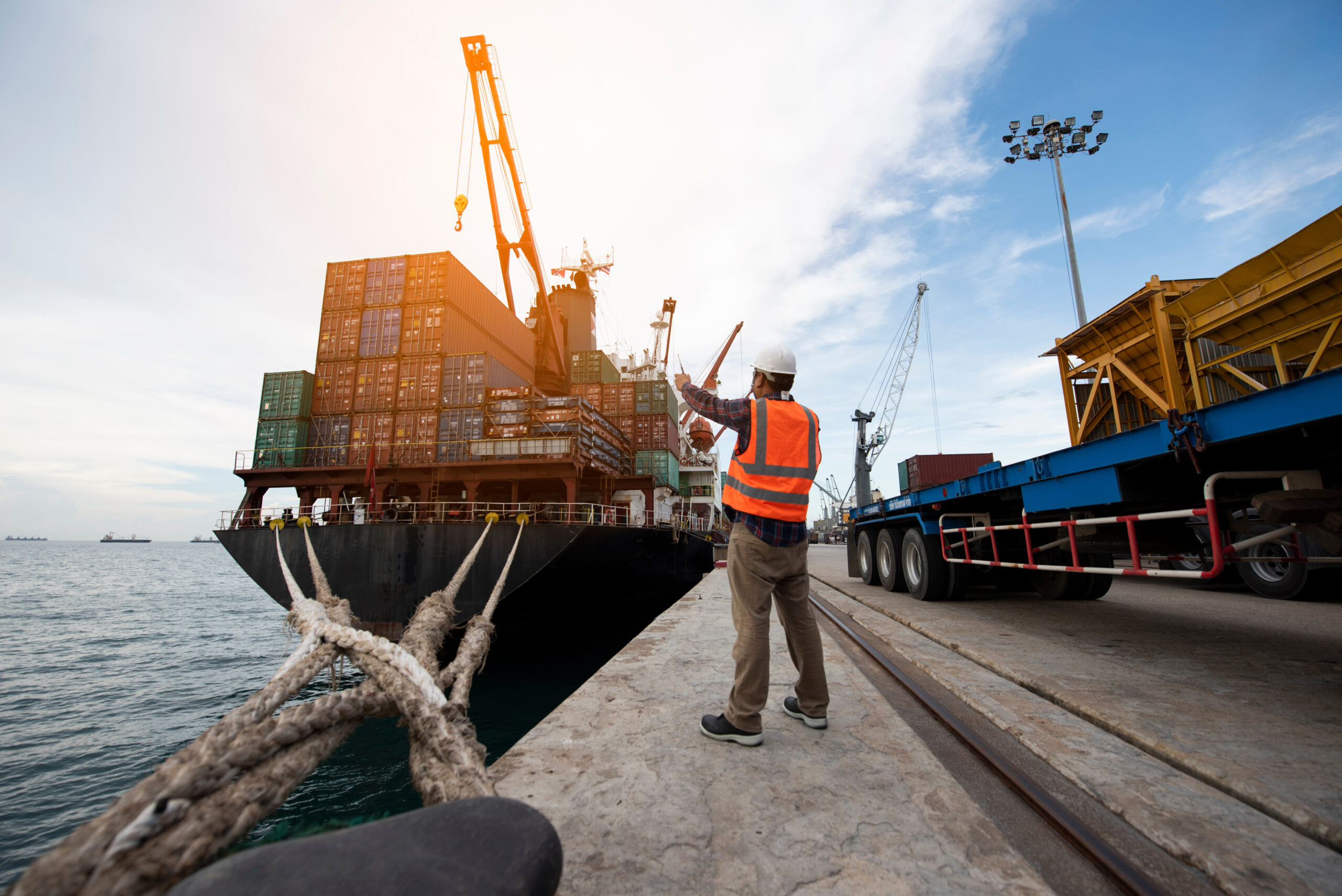
Cross-docking is a logistics strategy that more Canadian businesses are starting to take seriously, and for good reason. Rather than receiving goods into a warehouse, storing them, and then shipping them out at a later date, cross-docking moves freight directly from an inbound carrier to an outbound carrier with little to no storage time in…
-
The Difference Between Cargo and Freight Insurance: Which One Do You Need?
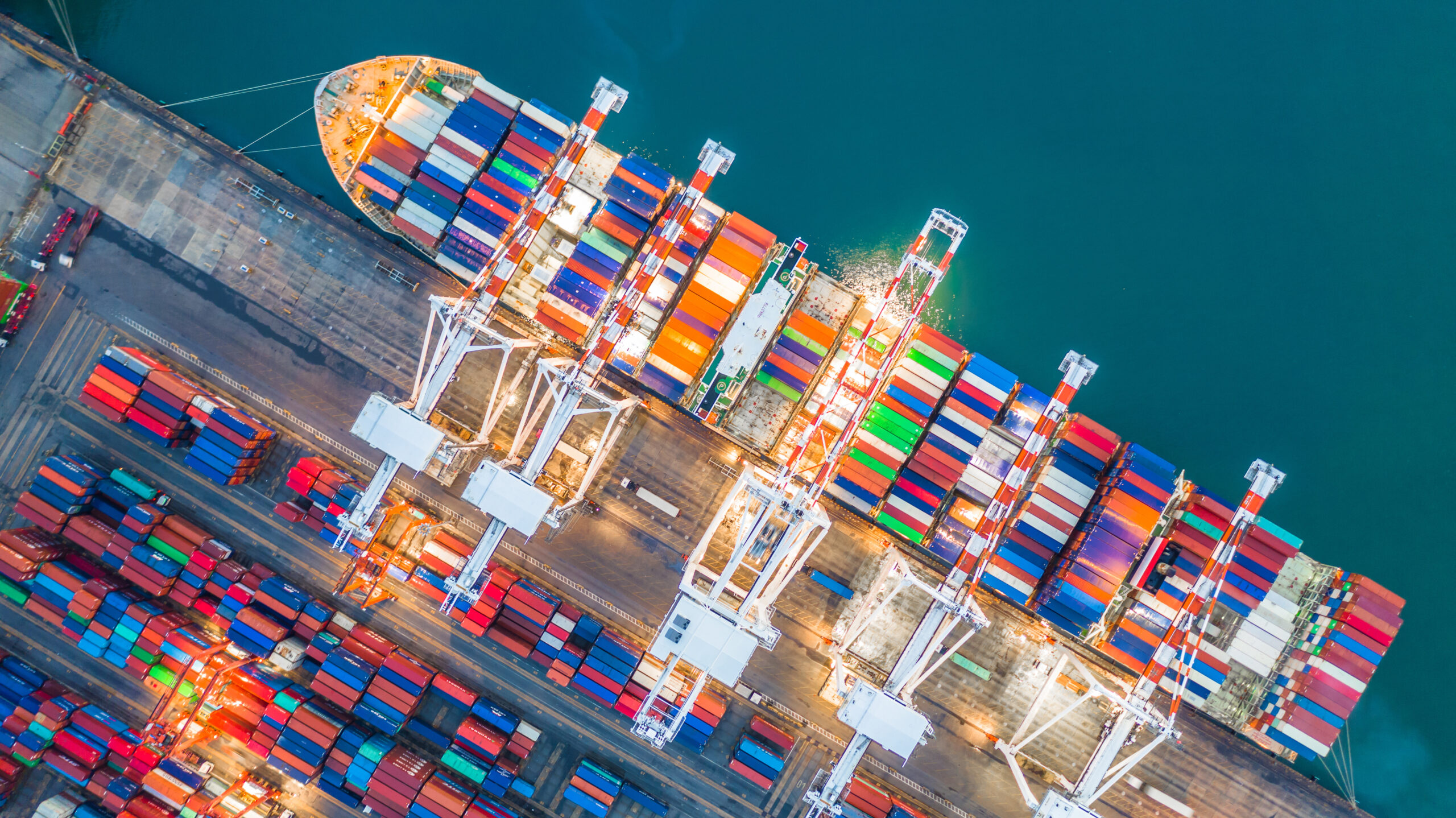
Shipping is never without risk. Goods cross oceans, rail networks, and borders, and every handoff is an opportunity for something to go wrong. Mid-year is often when that reality hits hardest. Inventory is moving, budgets are stretched, and a single damaged or delayed shipment can disrupt the rest of the quarter. Most businesses know the…
-
Intermodal Transportation in Canada: How to Build a Resilient Supply Chain
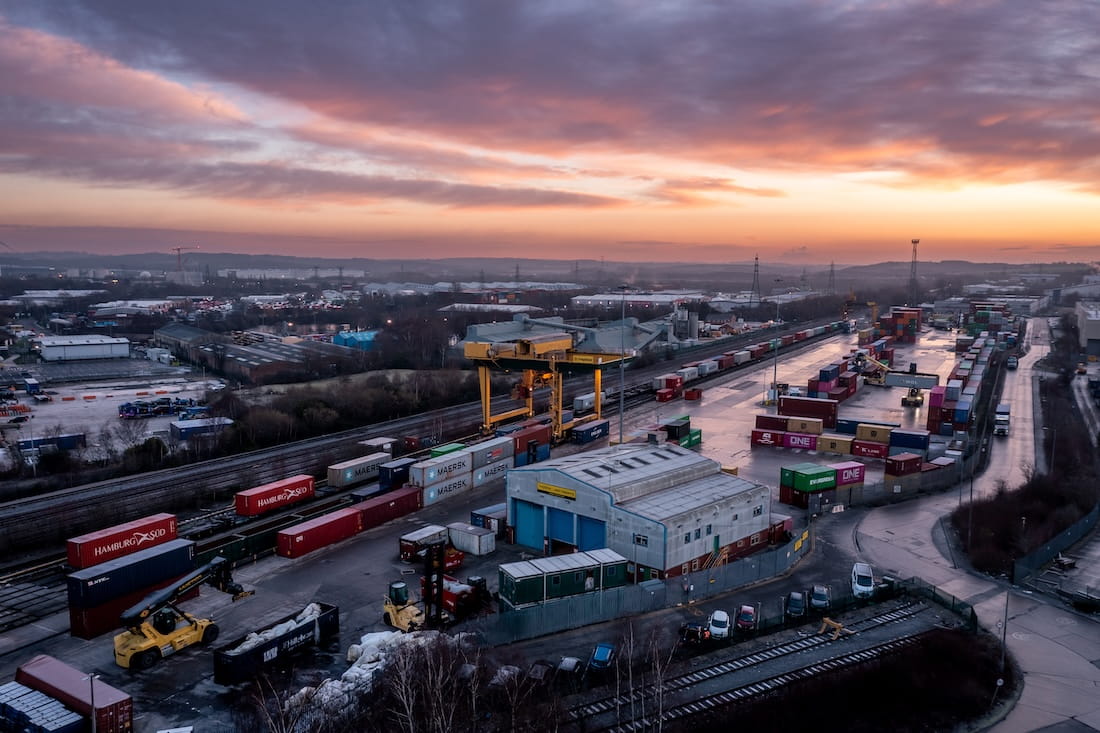
Modern supply chains need more than speed. With global disruption, rising costs, and shifting customer expectations, they need flexibility, visibility, and the ability to adapt when conditions change. That’s why intermodal transportation has become such an important strategy for businesses across Canada. By combining multiple shipping modes while keeping freight in a single container, intermodal…
-
Trying to Choose the Right Freight Forwarder? Ask These 9 Essential Questions First
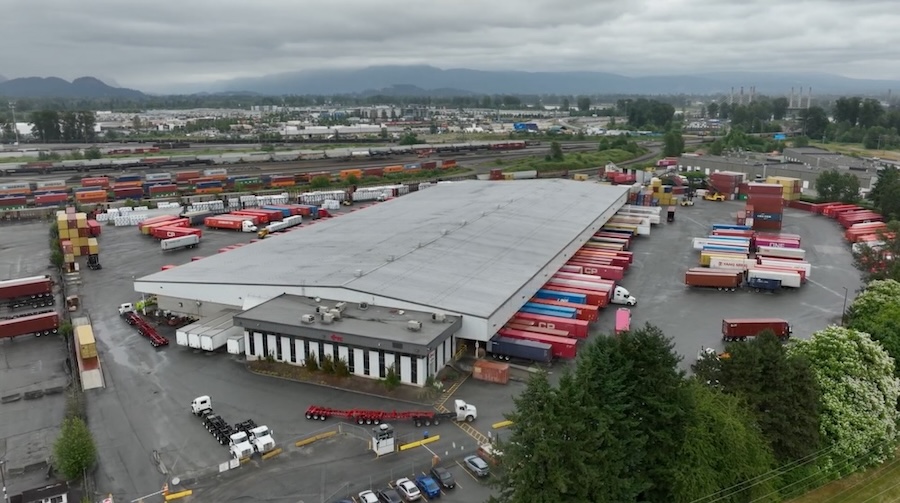
Choosing a freight forwarder may seem straightforward at first. That is, until delays, unclear communication, or unexpected costs start affecting your business. When your products need to move efficiently across Canada or internationally, the partner you choose plays a big role in how effectively and efficiently everything runs behind the scenes. Unfortunately, not all freight…
-
Moving Goods to the USA From Canada? Avoid These 7 Cross-Border Shipping Mistakes
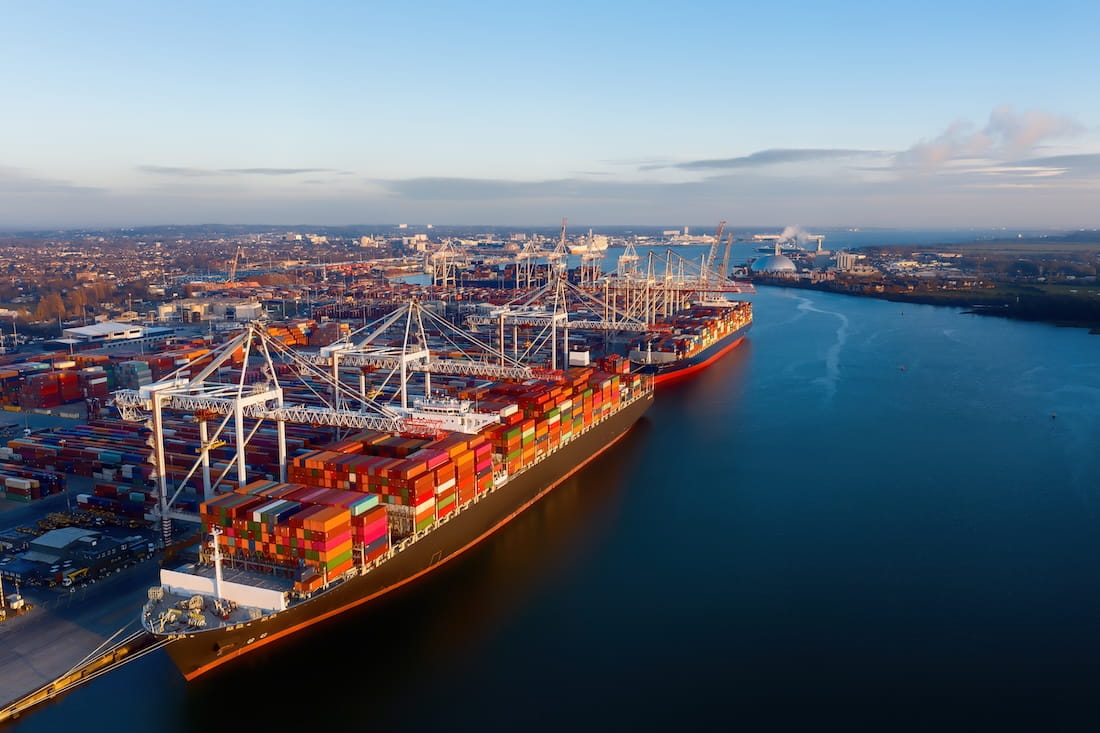
Cross-border shipping is getting less forgiving. With trade tensions rising, rules changing faster, and inspections tightening, the Canada-to-USA lane isn’t just “business as usual.” One small paperwork mistake can turn into a border delay, added costs, and a delivery date you suddenly cannot stand behind. In today’s climate, these disruptions are not just inconvenient. They’re…
-
Avoid Rail & Port Congestion: How to Optimize Drayage as Part of a Multimodal Freight Strategy
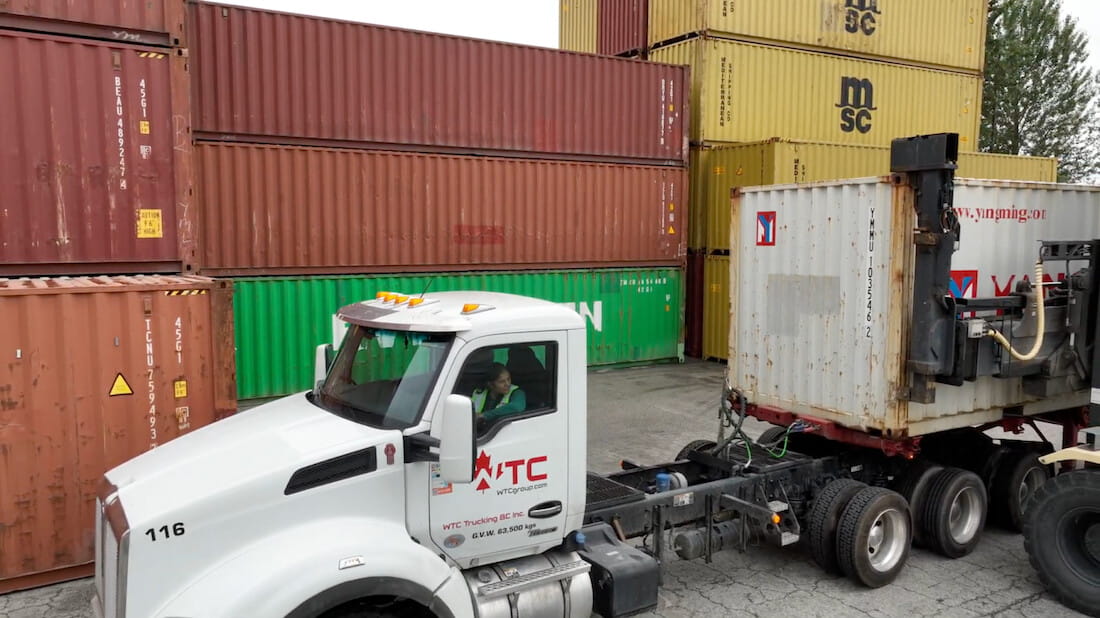
Containers sitting longer than planned. Port congestion. Rail delays. If you move freight through Canada’s major ports or intermodal hubs, this probably sounds familiar, and you’ve likely felt the ripple effects firsthand That’s exactly where drayage comes in. It might seem like a small link in a supply chain, but it can make or break…
-
What Is a Green Supply Chain? Understanding Their Benefits and How They Drive Long-Term Profitability

A green supply chain is no longer a nice-to-have or a future goal. To be competitive and compliant, it’s quickly becoming a reality for most businesses navigating today’s economic, regulatory, and environmental realities. As sustainability expectations increase across industries, organizations are compelled to reconsider how they source, produce, transport, and manage products at every stage…