-
Avoid Rail & Port Congestion: How to Optimize Drayage as Part of a Multimodal Freight Strategy
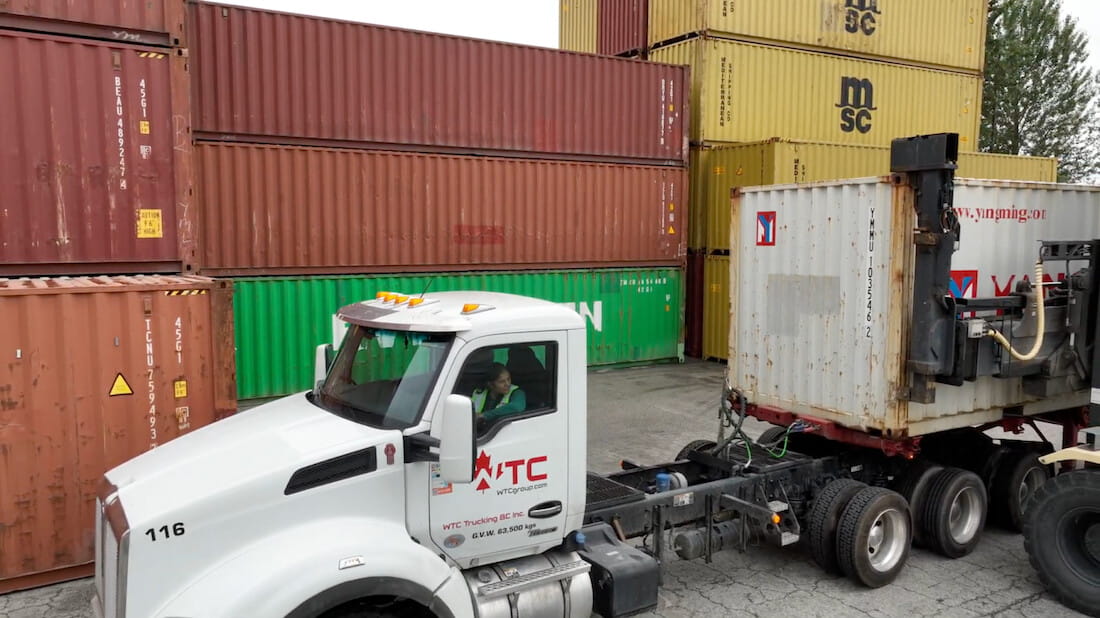
Containers sitting longer than planned. Port congestion. Rail delays. If you move freight through Canada’s major ports or intermodal hubs, this probably sounds familiar, and you’ve likely felt the ripple effects firsthand That’s exactly where drayage comes in. It might seem like a small link in a supply chain, but it can make or break…
-
What Is a Green Supply Chain? Understanding Their Benefits and How They Drive Long-Term Profitability

A green supply chain is no longer a nice-to-have or a future goal. To be competitive and compliant, it’s quickly becoming a reality for most businesses navigating today’s economic, regulatory, and environmental realities. As sustainability expectations increase across industries, organizations are compelled to reconsider how they source, produce, transport, and manage products at every stage…
-
AI in Logistics: 5 Real-World Ways Artificial Intelligence Makes Supply Chains Faster, Cheaper, and More Resilient
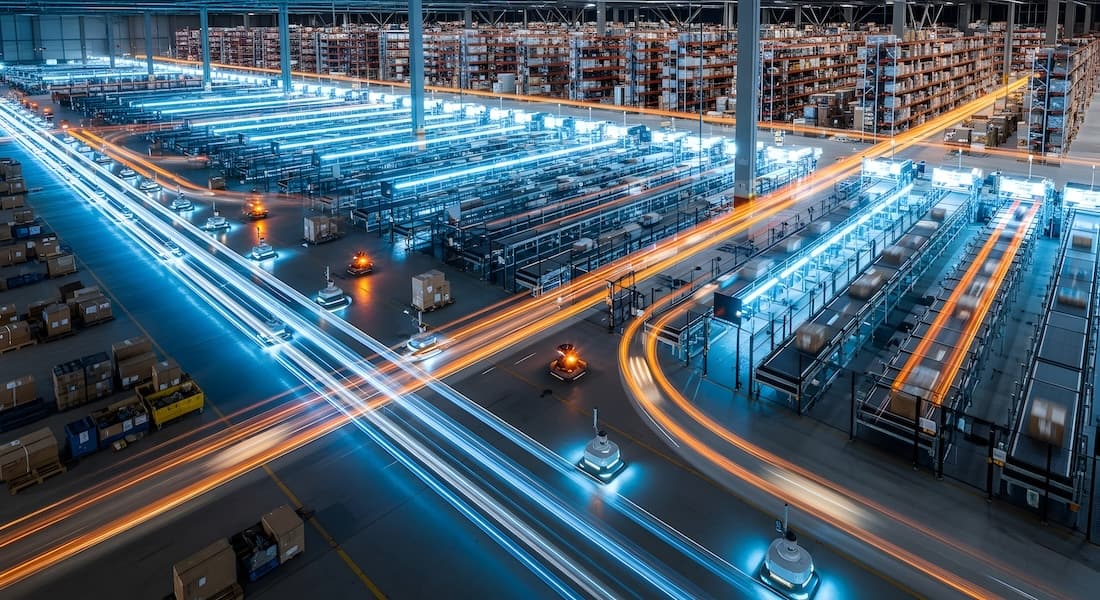
Volatile demand, capacity crunches, labour shortages, rising fuel prices, sustainability pressures, and customers who now expect “Amazon-level” delivery as standard. If this sounds familiar, you’re not alone. Logistics and supply chain teams across Canada and around the world are feeling the pressure from every direction. These changes are why artificial intelligence (AI) in logistics has…
-
What Does a Freight Consolidator Do? Inside the Process From Start to Finish
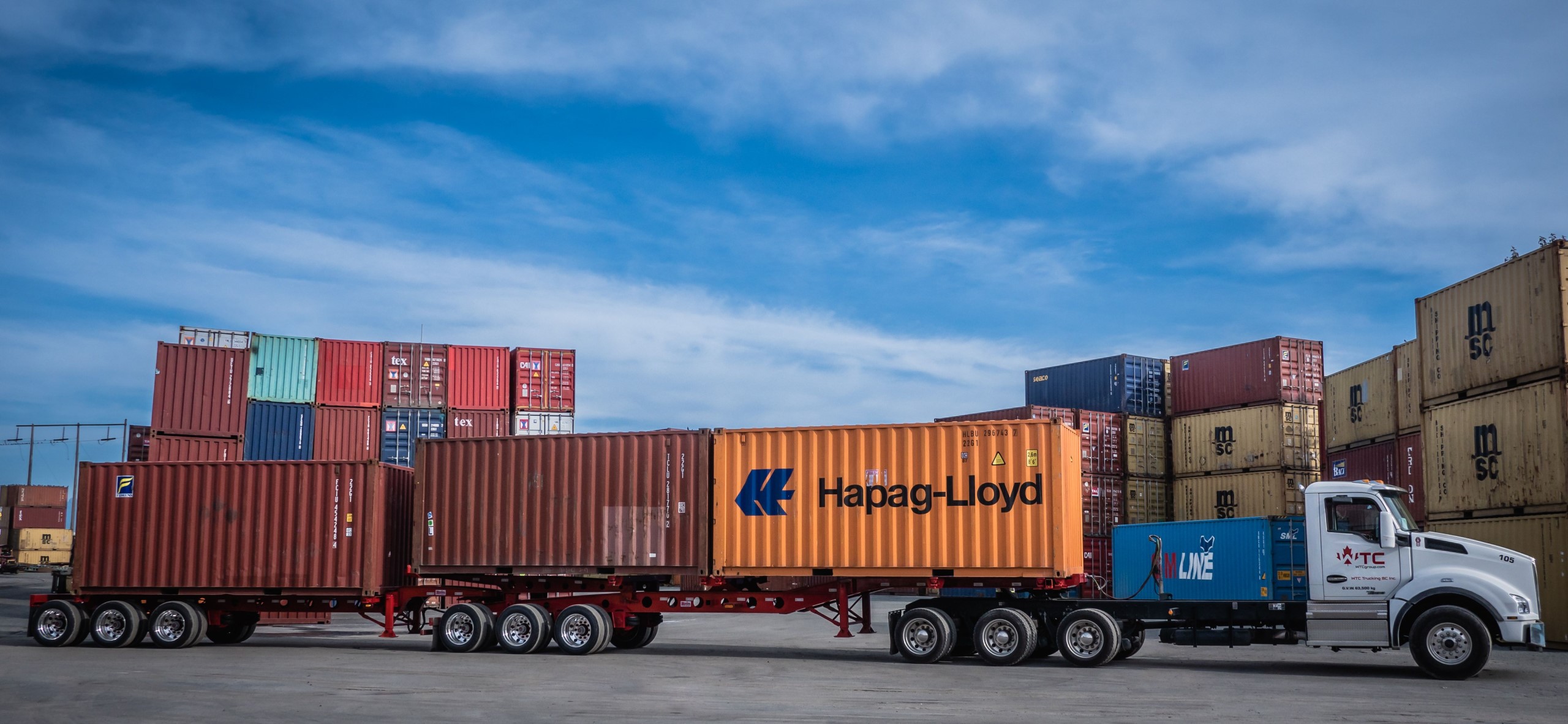
With volatile international relationships and constantly changing economic conditions, transportation costs are rising, buyer demand is shifting, and supply chains are becoming increasingly unpredictable. In these shifting conditions, working with a reliable freight consolidator can help businesses stay efficient, control expenses, and keep shipments on schedule. Whether you’re moving pulses and grains, resin, lumber, or…