-
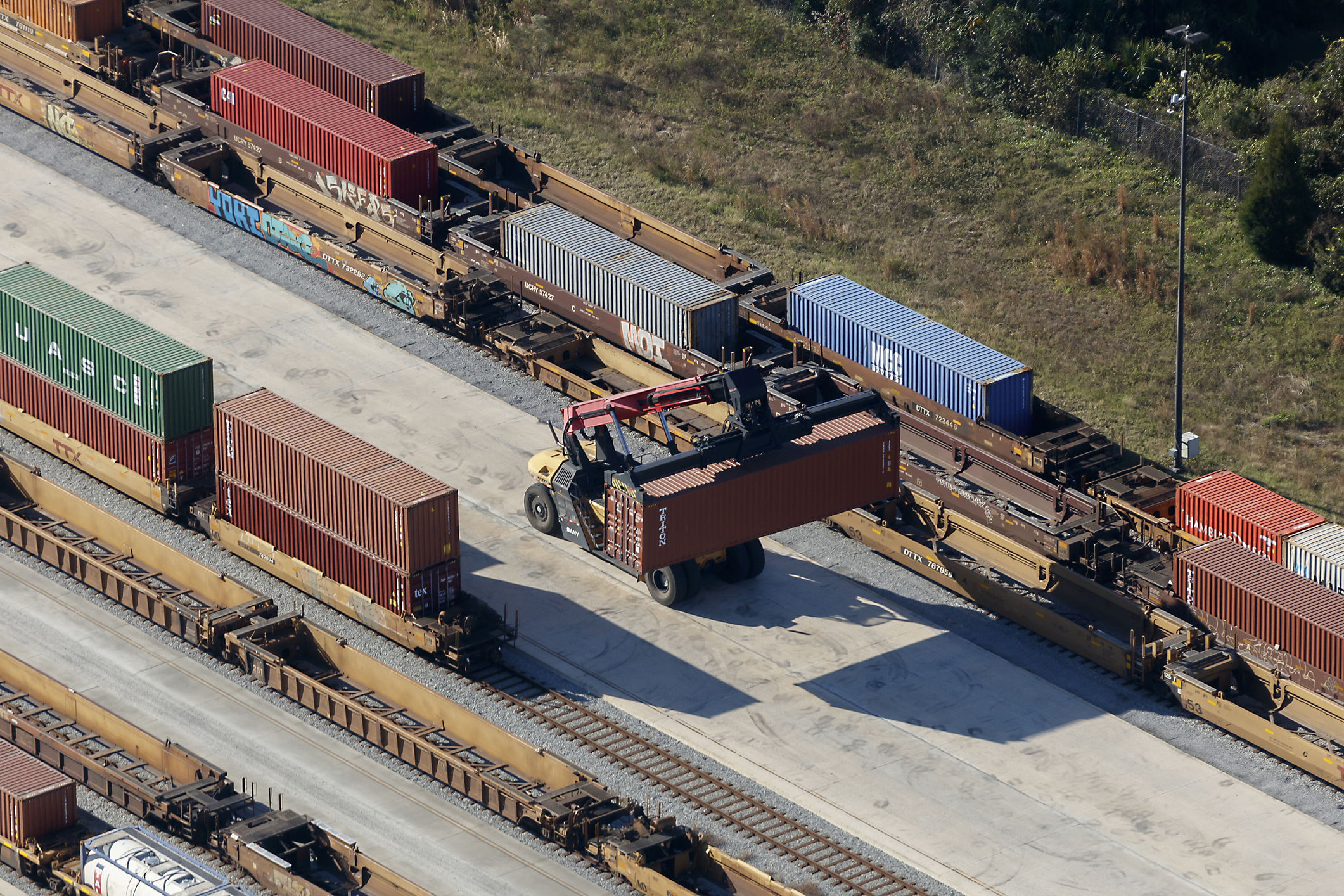
How We Achieved a 400% Increase In Throughput At WTC Group’s Kingsway Terminal
-
Bagging Pulse Crops For Export: How Canadian Beans and Lentils Are Transloaded

-
How WTC is Leading GHG Emission Reductionin Transloading
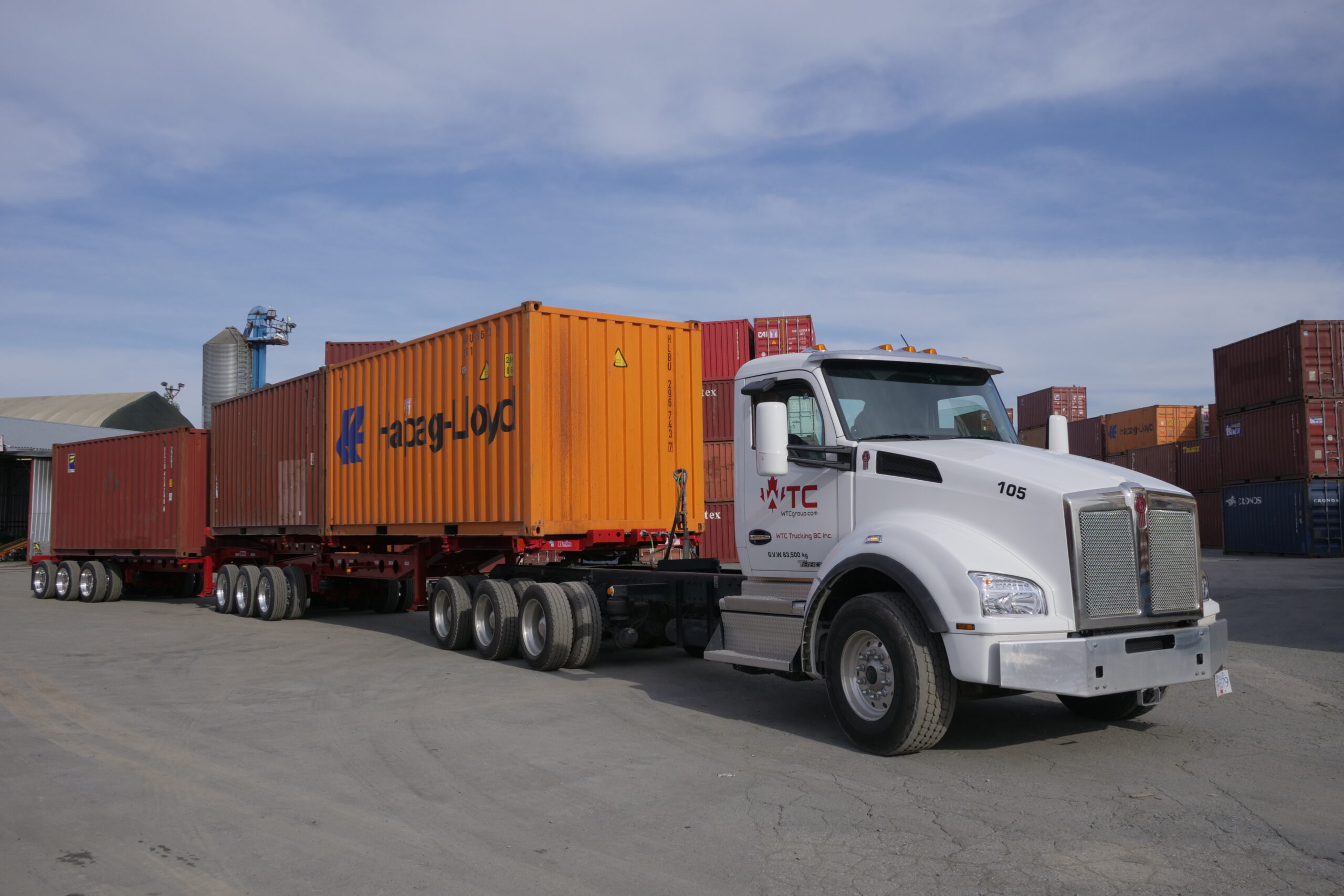
Freight transportation is a cornerstone of the global economy, moving billions of tons of cargo annually by trucks, planes, ships, and trains. All this activity contributes significantly to greenhouse gas (GHG) emissions, accounting for about 8% of global emissions, a figure that rises to 11% when including warehouses and ports. The growing demand for freight,…
-
Ensuring Reliable Logistics with WTC’s Emergency Over-The-Road Program & ShipSmpl

Supply chain disruptions can lead to significant operational and economic impacts, highlighting the critical need for reliable logistics solutions. When supply chains experience bottlenecks or failures, the entire logistics network becomes vulnerable, risking substantial delays and increased costs. Ensuring the stability and efficiency of logistics networks is essential for maintaining seamless operations. In an environment…
-
Exploring the CP Rail + Kansas City Southern Merger (Now CPKC)

In our highly connected world, the rail sector is a vital driver of the international transportation landscape, facilitating the movement of goods across borders. But it’s not merely about transporting goods from one destination to another; it’s about driving economic expansion, adopting innovative technologies, and advancing towards eco-friendly practices. Given the rail industry’s ongoing pursuit…
-
A Comparison between Bulk and Containerized Export of Grain
-
How WTC is using Sustainable EcoDiesel Fuel to Make a Big Impact in the Logistics Industry
-
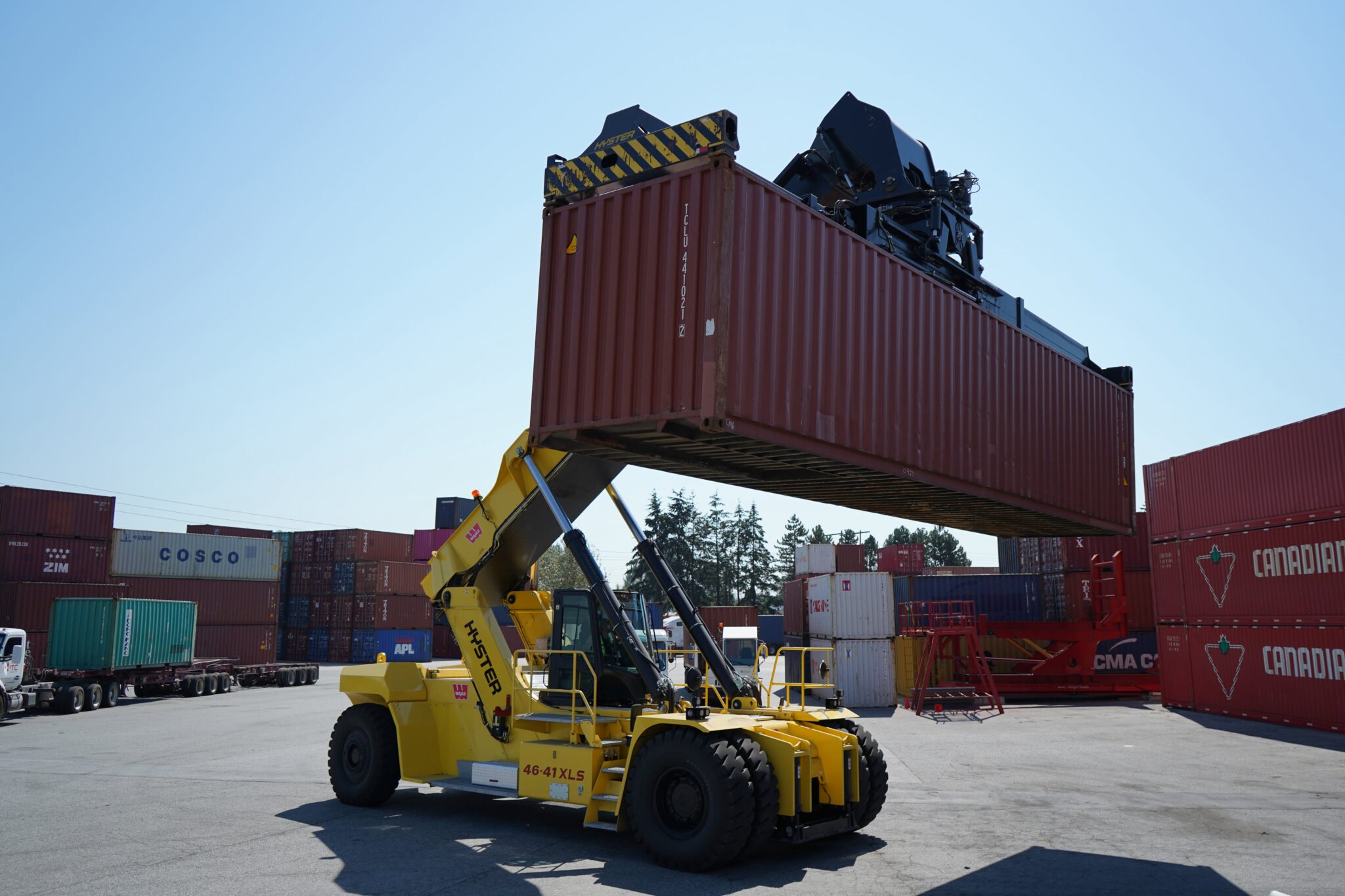
Empty Container Movement and Its Impact
-
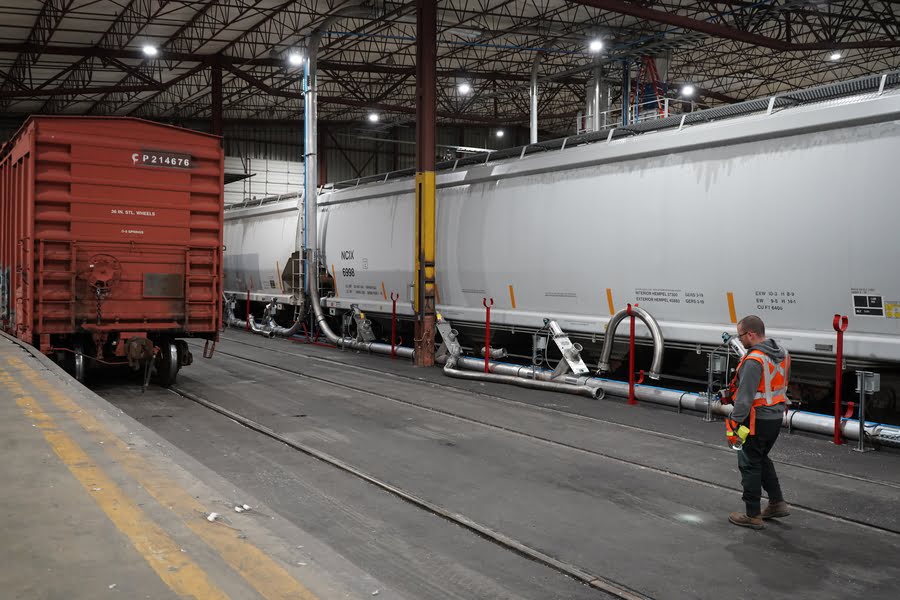
Containerization Opens Up New Opportunities in Shipping Commodities
-
Canada’s Impact on the Global Grain Industry
