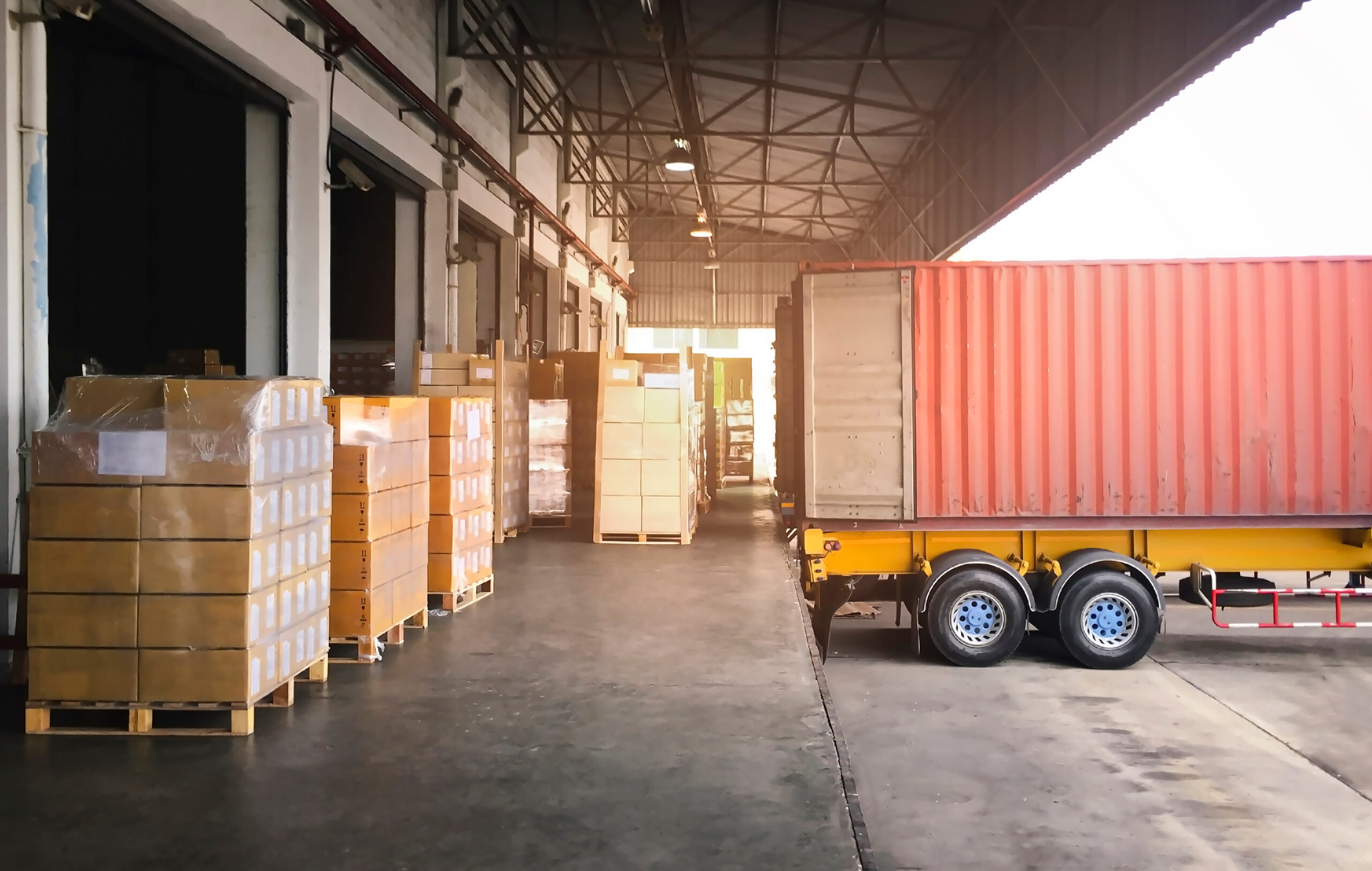
Choosing between less than truckload and full truckload shipping is one of the most practical decisions a growing business will face when mapping out next year’s freight budget. The choice affects your per-shipment costs, your transit reliability, and how much flexibility you have when order volumes shift from month to month.
For Canadian manufacturers, exporters, and distributors, this decision tends to resurface every autumn, right around the time finance teams start locking down budgets for the year ahead. Get it right, and you build a shipping strategy that scales with demand instead of working against it. Get it wrong, and you either pay for trailer capacity you do not need, or you squeeze high-value freight into a model that was never built for it.
This article walks through how each method works, where the real costs show up, and how to decide which one, or which combination, makes the most sense for your operation heading into 2027.
What Is Less Than Truckload (LTL) Shipping?
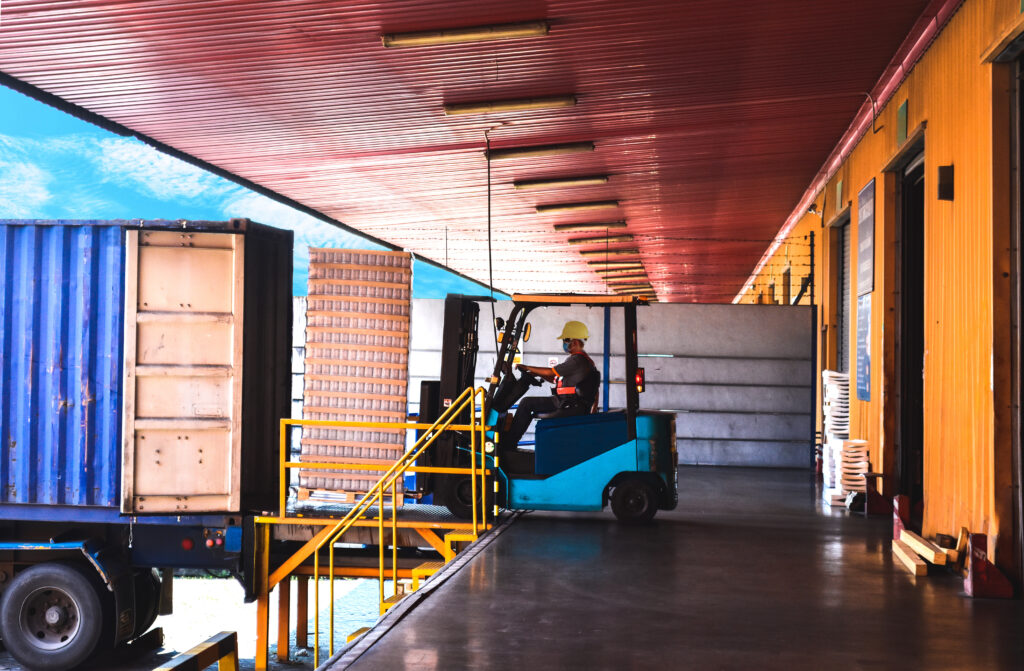
Less than truckload shipping is a freight model built for businesses that do not have enough volume to fill an entire trailer on their own. Instead of paying for a full trailer, your freight shares space with shipments from other companies, and the carrier consolidates multiple loads travelling similar routes. You pay for the portion of the trailer your freight actually occupies, calculated using weight, dimensions, and freight class.
- Best suited to shipments between roughly 150 and 15,000 pounds
- Freight moves through a network of terminals, often transferred between trucks along the route
- Pricing is based on weight, freight class, and distance, plus accessorial charges for services like liftgate delivery or inside pickup
- Transit times are generally longer than full truckload, due to multiple stops and terminal handling
For lower-volume or occasional shippers, less than truckload shipping keeps freight costs proportional to what is actually moving, without tying up a full trailer for a partial load.
What Is Full Truckload (FTL) Shipping?

Full truckload shipping means your freight has the entire trailer to itself, from pickup to final delivery. The carrier does not add other shippers’ freight along the way, and in most cases the truck moves directly from origin to destination without stopping at intermediate terminals.
This model suits businesses moving large volumes, palletized freight that fills most or all of a trailer, or goods that need to avoid the extra handling that comes with a multi-stop network. Because the truck is dedicated to a single shipment, FTL also tends to offer more predictable transit times and fewer touch points where freight can be damaged or delayed.
Key Cost Differences Between LTL and FTL

Cost is usually the first question in this comparison, and it is also where the two models diverge the most. LTL pricing is calculated per hundredweight and freight class, while FTL pricing is generally quoted per mile or as a flat rate for the full load.
According to recent freight market data, FTL rates have been running in the range of roughly $2.50 to $4.20 per mile depending on lane and equipment type, while LTL costs often fall between $0.20 and $0.45 per pound, with average per-pallet costs landing somewhere between $120 and $250 depending on distance and class.
- LTL carriers have been applying annual general rate increases in the range of 5 to 8%, even as overall freight demand has softened
- Fuel surcharges on LTL shipments have remained elevated, often sitting in the 35 to 45% range
- FTL capacity has tightened in several lanes, pushing spot rates up faster than many shippers had budgeted for
- Businesses with contract rates locked in during 2024 and 2025 are, in many cases, sitting on real savings compared to current spot pricing
These figures reflect U.S. freight market data and are shown in USD, so Canadian shippers should adjust for the current exchange rate and for Canadian carrier pricing, which can differ by lane. Treat them as a planning reference rather than a quote. The larger point for budgeting purposes is that both LTL and FTL pricing have trended upward, and locking in rates or volume commitments early tends to pay off.
Transit Time, Handling, and Risk
Beyond cost, transit time and cargo handling are where the two models diverge most in practice. FTL shipments typically move faster, because the trailer is not stopping at multiple terminals to load and unload other freight. For time-sensitive goods, or shipments where a delay creates a downstream production or delivery problem, that difference matters. LTL shipments, by contrast, are handled more times between origin and destination, since freight is loaded, unloaded, and reloaded at each terminal along the route.
More handling means more opportunities for damage, which is worth factoring in for fragile, high-value, or poorly packaged freight. None of this makes LTL a poor option. It simply means the freight and its packaging need to be suited to the model, with sturdy palletization and clear labelling to reduce the risk that comes with additional handling.
When Less Than Truckload Shipping Makes Sense

- Your shipment weighs less than roughly 15,000 pounds and does not need a dedicated trailer
- You ship smaller, more frequent orders rather than large batch shipments
- Your freight can tolerate a few extra days in transit
- You want to avoid paying for unused trailer space
- Your goods are palletized and packaged well enough to withstand multiple handling points
For businesses with variable order sizes or seasonal demand swings, less than truckload shipping often provides the flexibility to scale freight spend up or down without renegotiating a contract every time volume shifts.
When Full Truckload Shipping Makes Sense
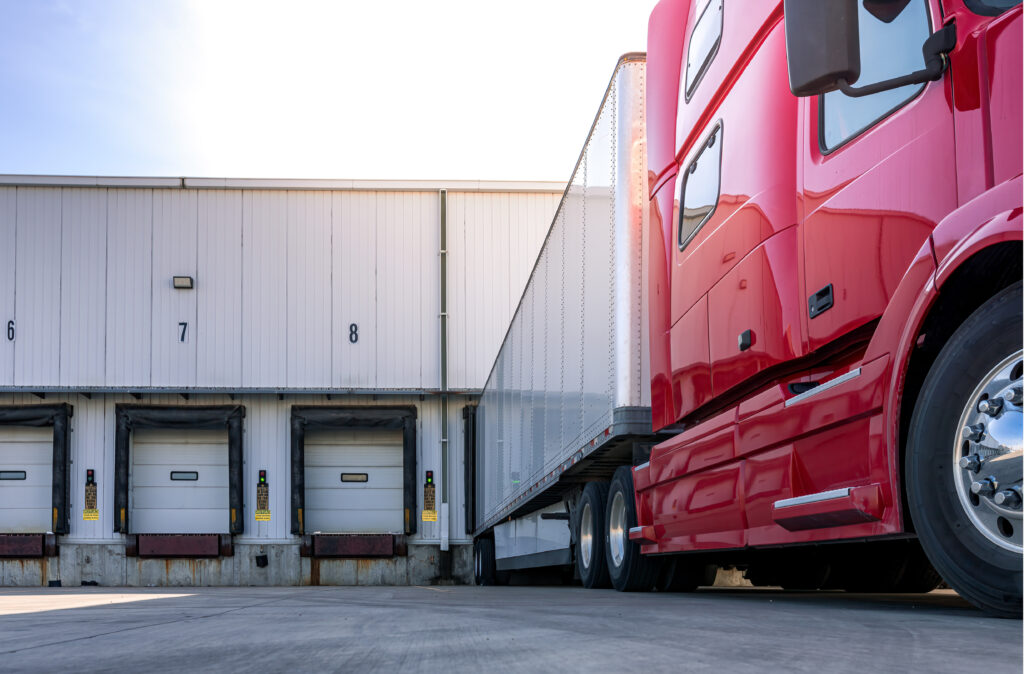
- Your shipment fills, or nearly fills, a full trailer
- Transit speed and minimal handling are priorities
- You are moving fragile, high-value, or sensitive freight
- Your shipping volume is consistent enough to justify dedicated capacity
- You are shipping to a single destination without the need for multi-stop delivery
Businesses that ship large, consistent volumes along the same lanes tend to find that FTL delivers better reliability and lower risk per shipment, even when the sticker price on a single load looks higher than a comparable LTL shipment.
Common Mistakes Businesses Make When Choosing a Shipping Mode

Even experienced shipping teams fall into a few predictable traps when deciding between these two models. Watching for these can save real money over the course of a year:
- Defaulting to whichever mode was used last year without checking whether shipment sizes or lane volumes have changed
- Comparing only the sticker price per shipment, without accounting for damage claims, delays, or accessorial fees
- Treating every shipment near the breakeven point the same way, instead of evaluating each lane individually
- Failing to renegotiate contract rates as volumes grow, leaving money on the table with an outdated agreement
- Overlooking the customer service and delivery-window expectations tied to a given shipment, which can make FTL worth the premium even for smaller loads
Building These Costs Into Your Year-End Shipping Budget
Year-end budgeting is the natural moment to revisit which mode you are actually using, and why. Many businesses default to whichever method they used the previous year without checking whether shipment sizes, order frequency, or lane volumes have shifted enough to change the math.
- Review your last 12 months of shipments by weight and destination to identify where LTL and FTL usage actually falls
- Flag shipments sitting near the LTL and FTL breakeven point, often somewhere around 10,000 to 15,000 pounds depending on the lane, since these are the loads most worth re-evaluating
- Factor in projected rate increases for both modes rather than budgeting off last year’s numbers
- Build in contingency for peak season surcharges and capacity crunches, which tend to affect both LTL and FTL pricing
- Talk to your logistics partner about locking in contract rates or volume commitments before Q1 demand picks up
None of this needs to be a guessing game. A clear-eyed look at your freight profile usually shows that most businesses use a mix of less than truckload and full truckload shipping, rather than relying on one model exclusively. The goal is not choosing a single winner. It is matching each shipment to the mode that actually fits it, and building a 2027 budget around that reality instead of last year’s assumptions.
Partner With WTC Group to Ship Smarter in the Year Ahead
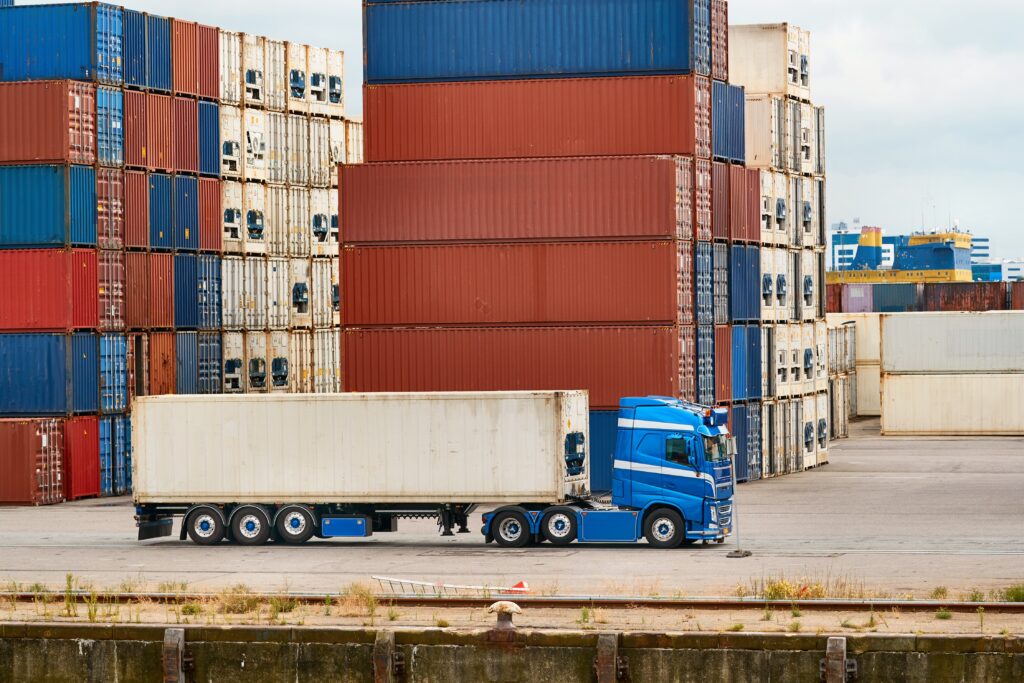
Whether your freight profile leans toward smaller, frequent shipments or consistent full trailer volumes, the right shipping strategy comes down to understanding your freight, your lanes, and your growth plans, not defaulting to whatever method you used last year. WTC Group works with Canadian manufacturers, exporters, and commodity shippers to build freight strategies that reflect how their business actually ships, combining our own trucking fleet with a broad network of trusted carrier partners across Canada and the US.
Our team can help you evaluate where less than truckload and full truckload shipping each make sense for your operation, so your 2027 freight budget is built on your actual shipping patterns rather than assumptions. Connect with a WTC Group expert to talk through your freight profile and find the right mix of trucking solutions for your business.