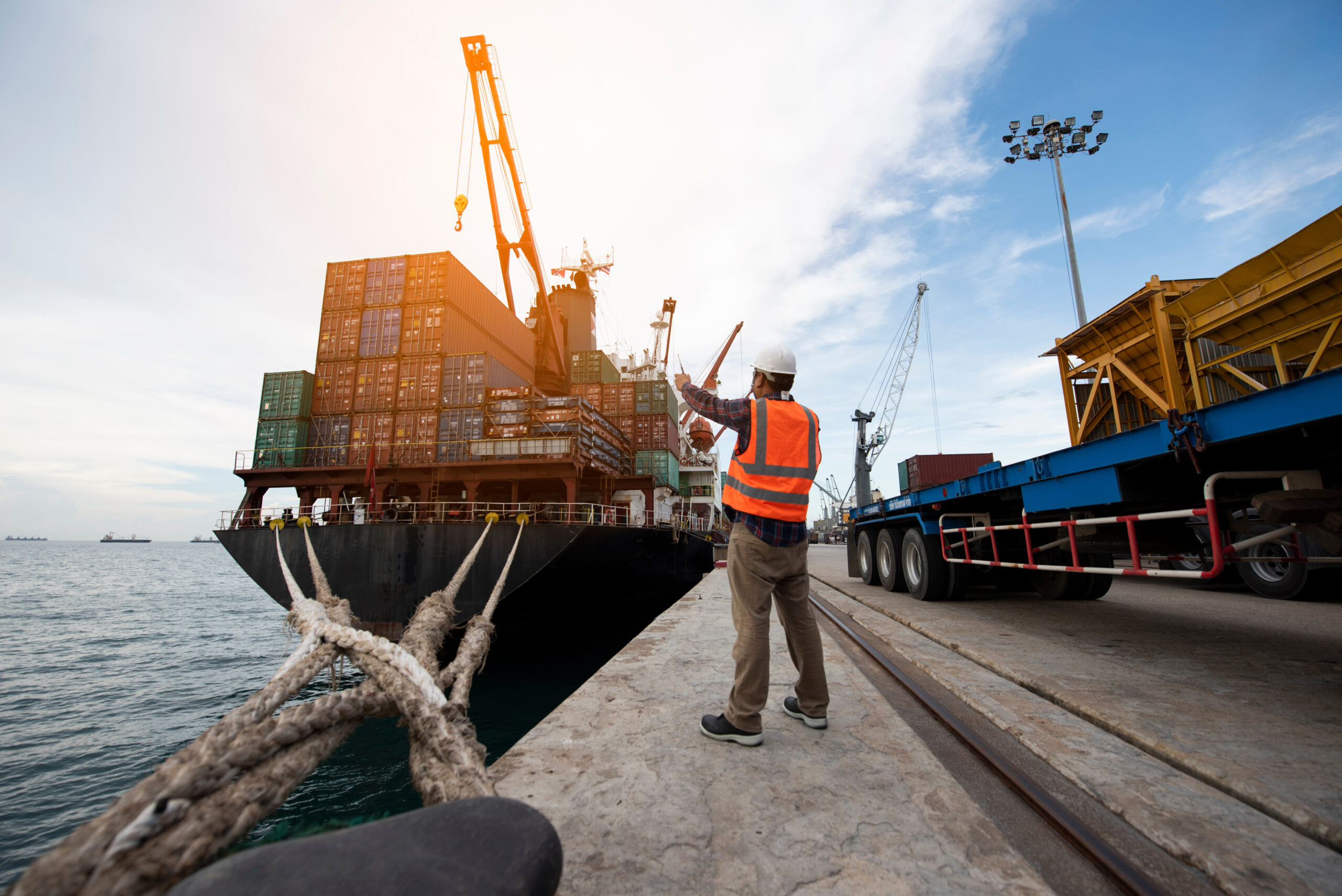
Cross-docking is a logistics strategy that more Canadian businesses are starting to take seriously, and for good reason. Rather than receiving goods into a warehouse, storing them, and then shipping them out at a later date, cross-docking moves freight directly from an inbound carrier to an outbound carrier with little to no storage time in between. It is a model built around speed and efficiency, and when it is the right fit, it can meaningfully reduce costs and improve delivery timelines.
That said, cross-docking is not a universal solution. Whether it makes sense for your operation depends on your freight type, your volume, your trade lanes, and how your supply chain is currently structured. This article breaks down how cross-docking works, where it adds real value, and the questions worth asking before deciding if it belongs in your logistics strategy.
What Is Cross-Docking?
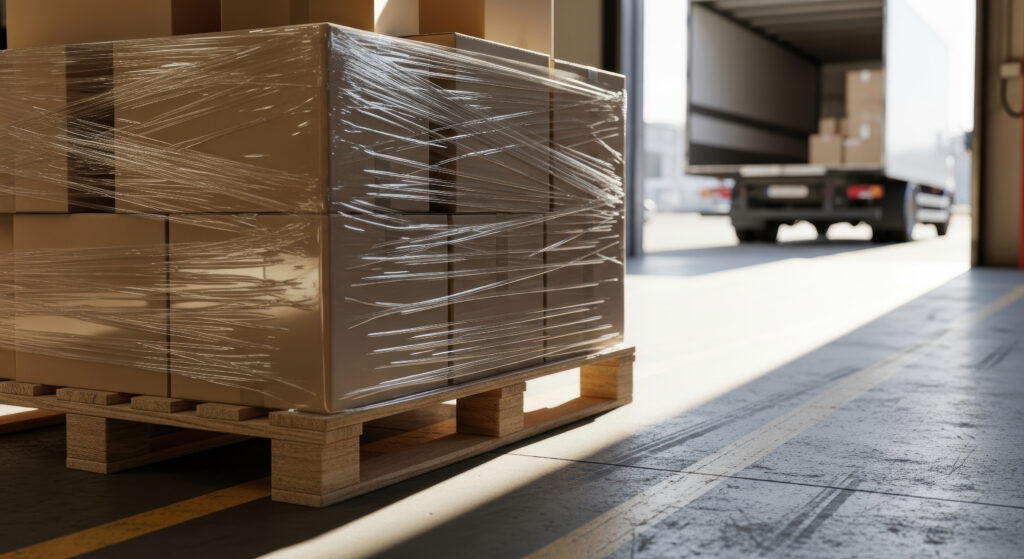
At its core, cross-docking is a distribution practice where incoming shipments are unloaded from inbound trucks or containers, sorted if necessary, and loaded directly onto outbound vehicles for final delivery. The freight spends minimal time on the dock, sometimes only hours, and storage is either eliminated entirely or reduced to a very short window.
The model works particularly well for goods that do not require long-term warehousing: items that are time-sensitive, perishable, pre-sorted, or moving in consistent, predictable volumes. In these scenarios, bypassing traditional storage can save money, reduce handling risk, and get products to market faster.
There are two primary forms of cross-docking worth understanding:
- Pre-distribution cross-docking means the supplier has pre-sorted and labelled freight before it arrives, so the terminal simply transfers it to outbound carriers
- Post-distribution cross-docking involves sorting at the facility based on the final destination before outbound loading
The right choice depends on the nature of the goods, the volume, and the coordination between the supplier and the receiver.
How Cross-Docking Fits Into a Broader Logistics Strategy
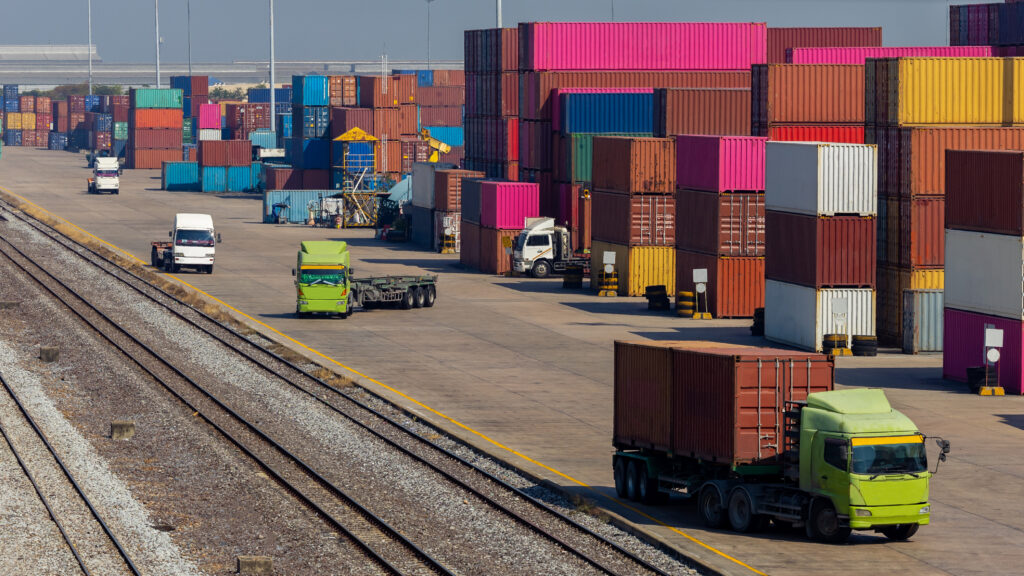
Cross-docking does not replace warehousing or other logistics services in most operations. It supplements them. Many businesses run hybrid models where some product lines move through cross-docking facilities while others go into traditional storage, depending on demand patterns, lead times, and delivery requirements.
In a broader intermodal or multimodal freight context, cross-docking often serves as a transfer point. Freight may arrive by rail and depart by truck, or arrive by ocean container and be broken down and redistributed to regional carriers. The efficiency of that transfer point directly affects the performance of the whole chain.
For businesses moving agricultural commodities, plastic resin, or other bulk goods across Canadian provinces and into international markets, how freight is handled at each transfer point matters significantly. A well-run cross-docking operation reduces dwell time, protects product integrity, and supports tighter scheduling across the full journey.
5 Advantages of Cross-Docking

When implemented correctly, cross-docking delivers a range of operational and financial benefits. Here is where businesses tend to see the most meaningful impact:
Reduced storage costs
Eliminating or minimizing warehouse storage means businesses avoid carrying costs, facility fees, and the labour involved in put-away and retrieval. For high-volume shippers, this can represent a significant line-item reduction.
Faster delivery timelines
Without warehousing delays, goods move from origin to destination more quickly. This is especially valuable for time-sensitive freight where speed directly affects customer satisfaction or product quality.
Less cargo handling
Every time freight is touched, there is an opportunity for damage or loss. Cross-docking minimizes the number of times goods are moved, which is particularly important for fragile or high-value shipments.
Improved supply chain responsiveness
Cross-docking facilities can help businesses respond faster to demand signals. Rather than building inventory buffers, freight moves in alignment with actual orders, which supports leaner, more agile operations.
Lower inventory carrying costs
Reducing the time a product sits in storage directly reduces tied-up capital. For businesses with tight margins or seasonal demand patterns, this financial flexibility matters.
These benefits are real, but they require the right conditions to materialize. Cross-docking is not a cost-saving shortcut for every freight scenario. It is a precision tool that performs best in specific contexts.
When Cross-Docking Works Best
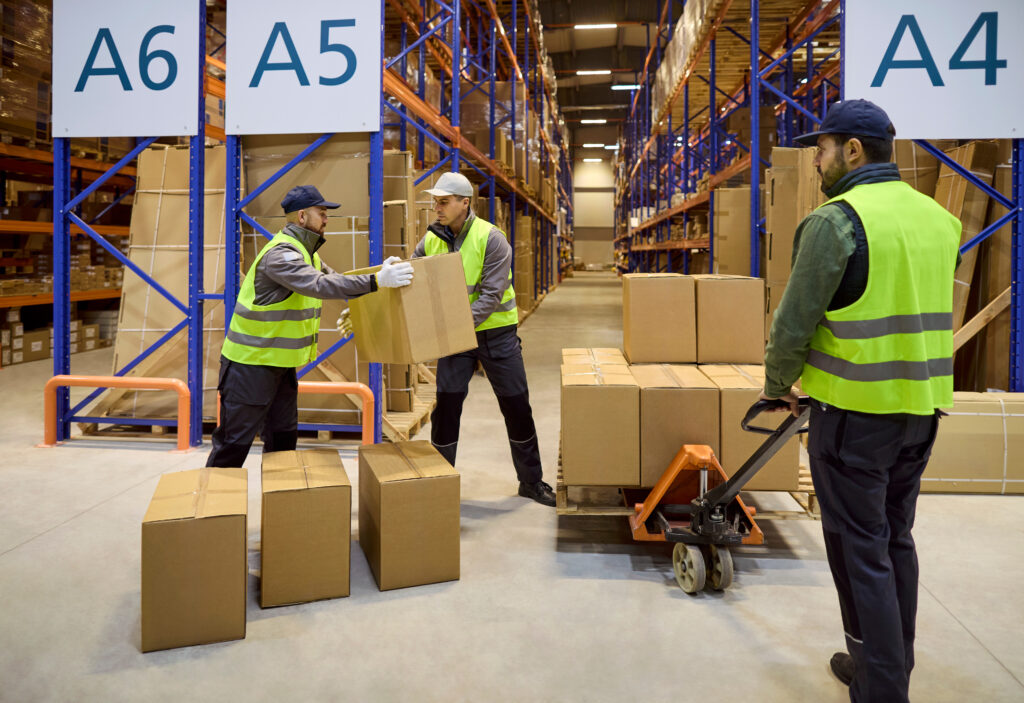
The businesses that benefit most from cross-docking tend to share a few characteristics. Understanding whether your operation fits these profiles is a useful first step before investing in this model.
Where it tends to be a strong fit
Pre-sorted, pre-labelled freight
If a supplier ships directly to specific retailers or distribution points and the goods arrive ready to route, there is very little sorting work to do at the facility. This is common in fast-moving consumer goods, large retail replenishment, and certain agricultural export operations.
Perishable or time-sensitive goods
Fresh produce, certain chemicals, and pharmaceutical products often cannot afford extended storage. Getting these products to their next destination quickly is not just an efficiency goal; it is a product quality and compliance requirement.
High-volume, consistent freight movements
When a shipper is moving predictable quantities along established trade lanes on a regular schedule, the coordination required for effective cross-docking becomes easier to manage. The facility can plan inbound and outbound schedules with confidence, which is what makes the model run efficiently.
Where it is less effective
Cross-docking is generally a poor fit for highly variable shipment sizes, goods with unpredictable demand, or freight that requires significant inspection or rework upon arrival. Operations where inbound and outbound timing cannot be reliably synchronised also struggle with this model. In those cases, traditional warehousing or a hybrid approach will typically serve the business better.
What to Consider Before Implementing Cross-Docking

Cross-docking places significant demands on coordination, infrastructure, and visibility. Before committing to the model, it is worth pressure-testing your operation against these four areas:
Timing and schedule alignment
Inbound and outbound movements need to synchronise closely. A delay on the inbound side can create a bottleneck that ripples through the entire outbound operation. All parties in the chain need to communicate clearly and operate on reliable schedules.
Shipment visibility
Knowing where freight is, when it will arrive, and what condition it is in requires good tracking systems and real-time communication between carriers, terminals, and receivers. Businesses that lack this visibility often find cross-docking creates more uncertainty rather than less.
Facility capability
A cross-docking terminal needs adequate dock doors, the right handling equipment, trained staff, and the capacity to process freight quickly without creating congestion. Not all logistics facilities are built for true cross-docking operations, which is why choosing the right partner matters.
Freight type and packaging
Goods that require special handling, temperature control, or significant inspection at the transfer point may not be good candidates for a model built around speed and minimal dwell time. It is worth reviewing each freight category individually rather than applying a single approach across the entire operation.
If any of these areas present a gap in your current setup, that is worth addressing before introducing cross-docking. The model amplifies the strengths of a well-coordinated supply chain, but it also amplifies the weaknesses of a poorly coordinated one.
Cross-Docking in the Context of Canadian Commodity Logistics
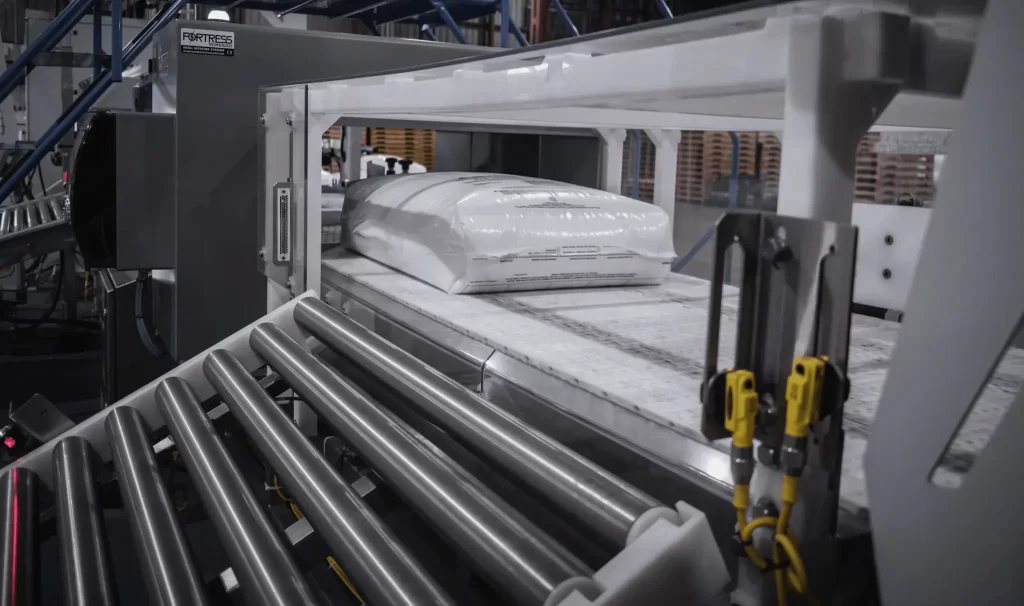
For businesses moving key Canadian commodities, including plastic resin and agricultural products such as pulses and grains, the transfer point is a critical moment in the logistics chain. These goods often travel long distances by rail before reaching a terminal near a port or distribution hub, and what happens at that transfer point directly affects the efficiency and integrity of the shipment.
Cross-docking within a transloading context, where freight is transferred from one mode or container type to another, requires specialised facilities and expertise. For plastic resin, the handling process must account for contamination risk at every stage.
A compromised shipment is not just a quality issue. It is a financial loss and a potential regulatory concern.
Agricultural exporters face similar challenges. Bulk-to-container operations, whether bulk-to-bag or containerised bulk, involve precise handling to avoid spoilage, moisture exposure, or product degradation. In both cases, moving these goods safely requires the right infrastructure and a partner that genuinely understands the commodity.
In both cases, the cross-docking model works best when paired with digital infrastructure that provides real-time tracking, documentation accuracy, and clear communication across all parties. When these elements come together, Canadian businesses gain a meaningful advantage in getting product to international markets reliably and cost-effectively.
Is Cross-Docking Right for Your Business?

Whether cross-docking is the right fit depends on several factors specific to your operation:
- The type and packaging of your freight
- Your shipping volumes and how consistent they are
- The trade lanes you operate in
- Your existing infrastructure and coordination capabilities
Cross-docking delivers clear value in the right circumstances, but it is not a substitute for a well-rounded logistics strategy. In many cases, the strongest approach combines elements of cross-docking, traditional warehousing, and transloading in a way that reflects how your freight actually moves.
A useful starting point is to look at your highest-volume, most consistent freight flows. If those movements could benefit from faster transit, lower storage costs, or reduced handling, cross-docking is worth exploring seriously. From there, the conversation should turn to whether the right terminal infrastructure, carrier relationships, and coordination systems are in place to support the model.
Businesses that benefit most from cross-docking tend to approach it not as a standalone tactic, but as one part of a broader logistics framework designed around their specific commodities, customers, and trade channels. That kind of strategic thinking is what separates a logistics operation that simply moves goods from one that genuinely supports business growth.
Partner With a Team That Understands Your Freight
Whether cross-docking makes sense for your operation, or whether a different combination of logistics services would serve you better, the answer starts with a clear-eyed look at how your freight actually moves. WTC Group works with Canadian businesses across commodities and trade lanes to build logistics solutions that reduce costs, protect product integrity, and keep freight moving reliably through the Vancouver gateway and beyond.
With decades of experience in transloading, containerised logistics, and commodity handling, including plastic resin and agricultural products, our team understands the operational and regulatory realities that shape every shipping decision. Our terminal infrastructure, carrier relationships, and digital systems are built to support efficient, accountable freight movement at scale.
If your business is evaluating cross-docking or looking to improve your logistics strategy more broadly, connect with a WTC Group expert to talk through your freight needs and explore what a stronger logistics solution could look like for your operation.