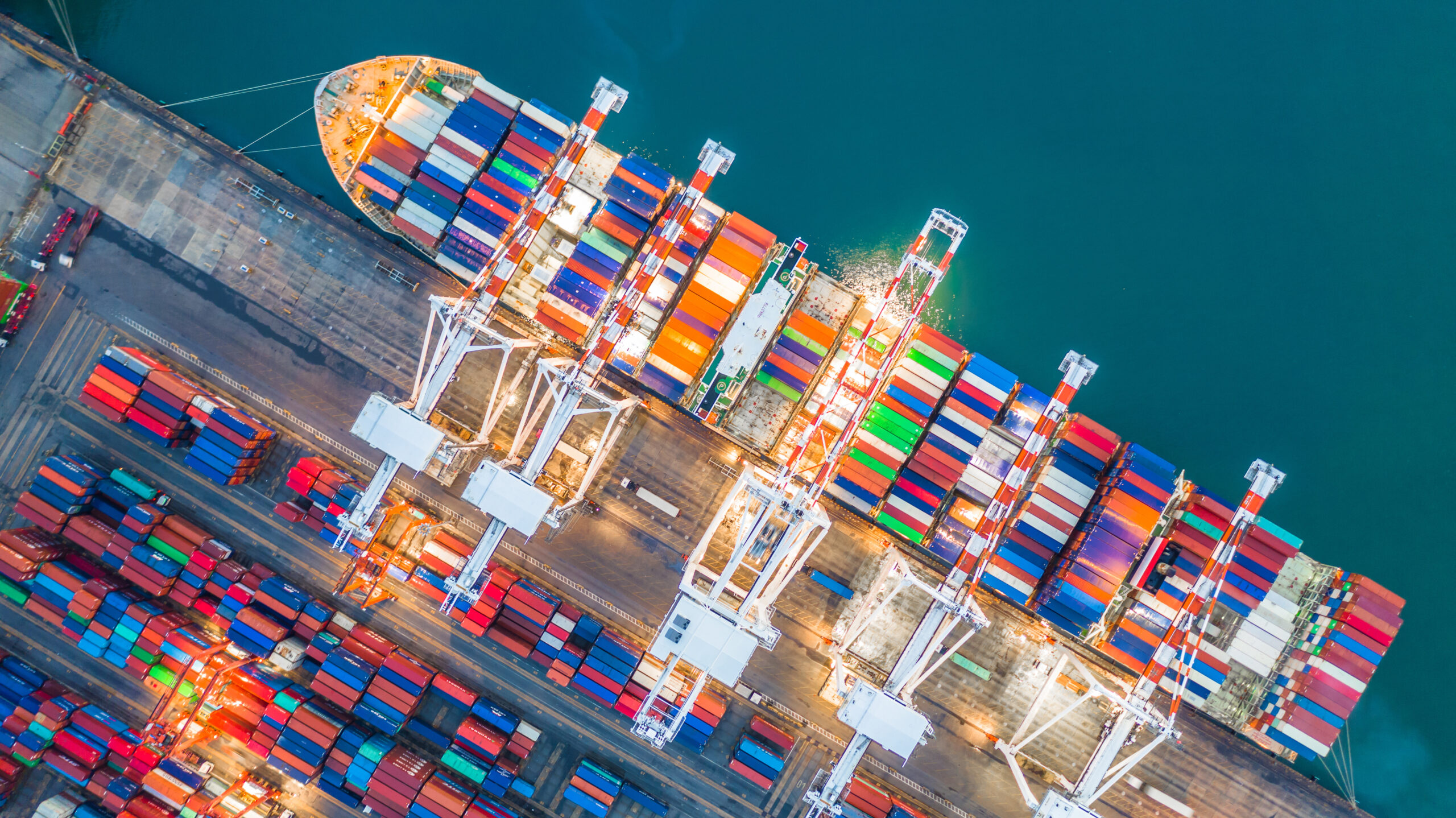
Shipping is never without risk. Goods cross oceans, rail networks, and borders, and every handoff is an opportunity for something to go wrong. Mid-year is often when that reality hits hardest. Inventory is moving, budgets are stretched, and a single damaged or delayed shipment can disrupt the rest of the quarter.
Most businesses know the risks, but many still ship without proper coverage, assuming carrier liability will be enough if something does go wrong.
It rarely is.
Carrier liability is limited by design, often calculated by weight rather than the value of what’s inside the container. For high-value, low-weight shipments like electronics, pharmaceuticals, or specialty foods, the gap between what a carrier will pay and what the goods are actually worth can be significant. That gap is what cargo and freight insurance is designed to close.
Cargo Insurance vs. Freight Insurance: What’s the Difference?

The two terms get used interchangeably, but they cover different things.
Cargo insurance protects the goods themselves. If a shipment is damaged, stolen, or lost in transit, cargo insurance covers the value of what was inside the container. It applies regardless of who is at fault.
Freight insurance covers the cost of moving those goods. If a carrier fails to deliver, mishandles a shipment, or causes financial loss through a service error, freight insurance addresses the exposure tied to the transportation service itself.
For most businesses, both are worth having. Cargo insurance protects what you’re shipping. Freight insurance protects the process of getting it there.
Where Coverage Makes a Real Difference
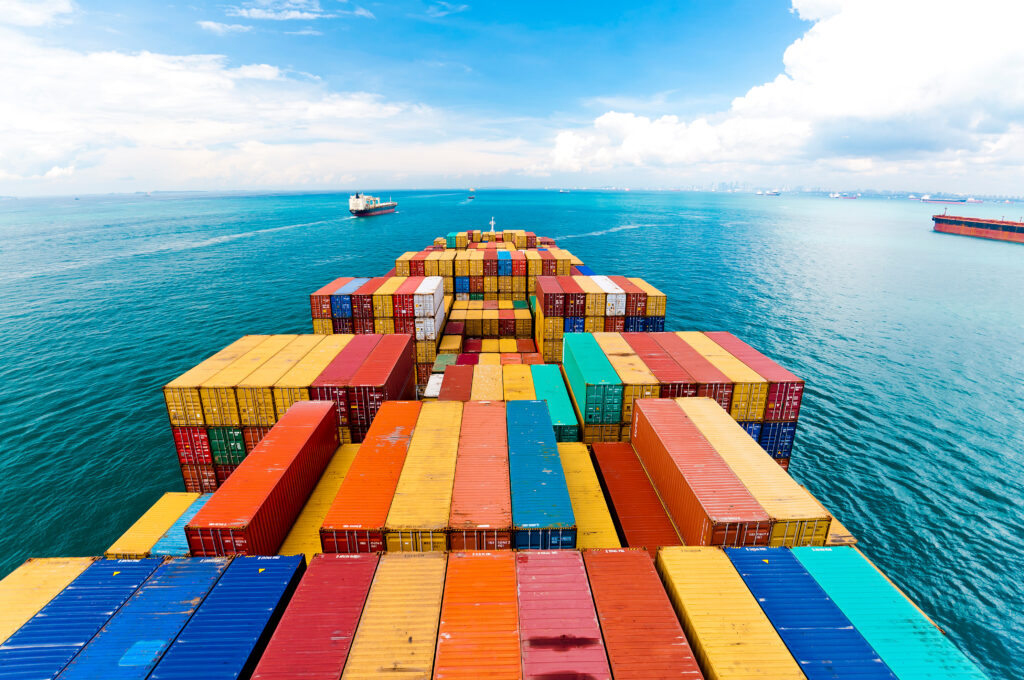
The scenarios where insurance proves its value tend to share a common thread: the loss looks manageable until the numbers are added up.
Agricultural exporters know this well. Moisture from a storm can spoil an entire bulk shipment. Carrier liability covers a fraction of the loss. Insurance covers the rest.
Technology shipments face a different exposure. High-value electronics are a target for theft, and a single missing container can mean hundreds of thousands of dollars in unrecovered inventory.
Time-sensitive goods carry their own risk. Food, chemicals, and pharmaceuticals move on tight schedules. A delay at customs or a port congestion reroute can render a shipment worthless before it reaches the buyer. In those cases, insurance protects more than the goods. It protects the cash flow behind them.
Choosing Coverage That Actually Fits
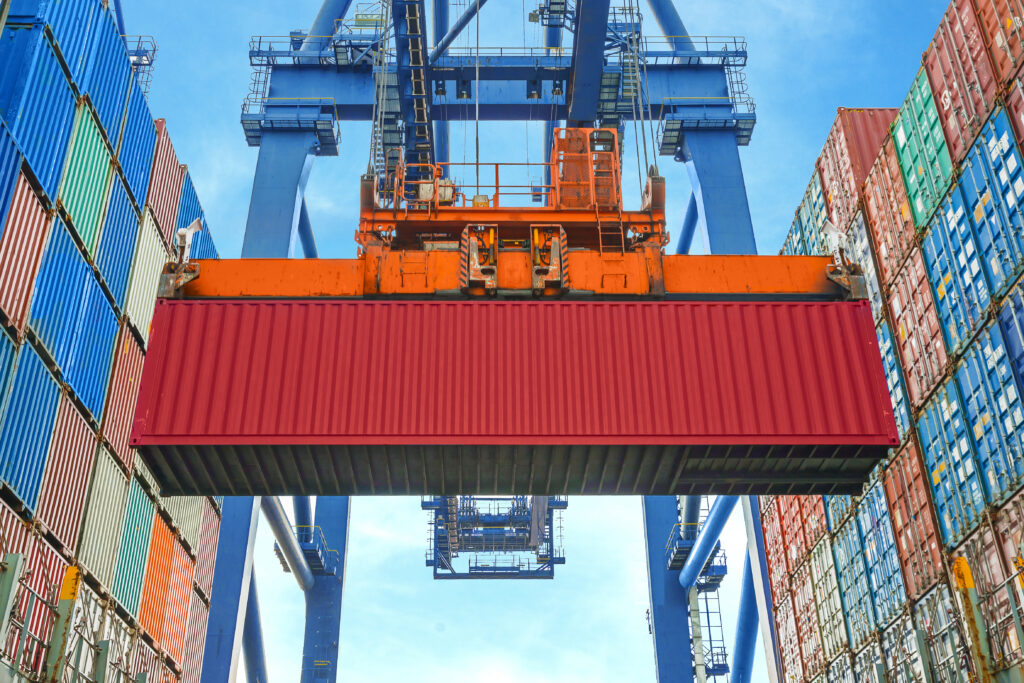
Not all policies are built the same, and selecting coverage based on price alone is where many businesses go wrong. The right policy should reflect how your cargo actually moves.
A few things worth reviewing before committing to a policy:
- Does coverage include damage, theft, loss, and delays, or only specific scenarios?
- Does the policy account for every country and jurisdiction along the route?
- Is the payout based on declared value or weight? For high-value goods, this distinction matters.
- What is excluded? Weather events, strikes, and acts of war are common carve-outs that can leave you exposed at exactly the wrong moment.
A lower premium that excludes the most likely risks in your trade lane is not a savings. It is a gap.
Working With the Right Logistics Partner
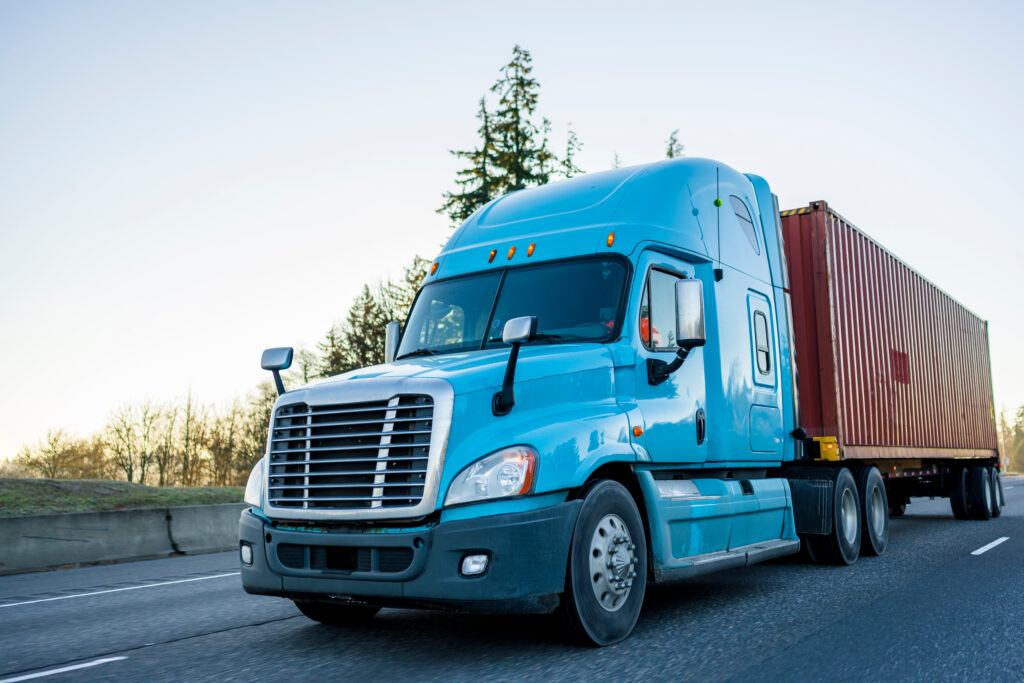
Mid-year is also a natural time to revisit your logistics setup. Shipping volumes shift, trade lanes change, and coverage that made sense at the start of the year may no longer reflect what’s actually moving.
WTC Group works with Canadian importers and exporters moving freight through the Port of Vancouver. Our team connects clients with coverage that matches their shipments, and our operations are built to reduce risk before it ever becomes a claim. When freight moves efficiently and coverage is in place, businesses can commit to tighter schedules, take on larger orders, and grow without carrying unnecessary financial exposure.
Cargo and freight insurance won’t prevent things from going wrong. But it means that when they do, your business keeps moving.
Get in touch with WTC Group to talk through your logistics and coverage needs.