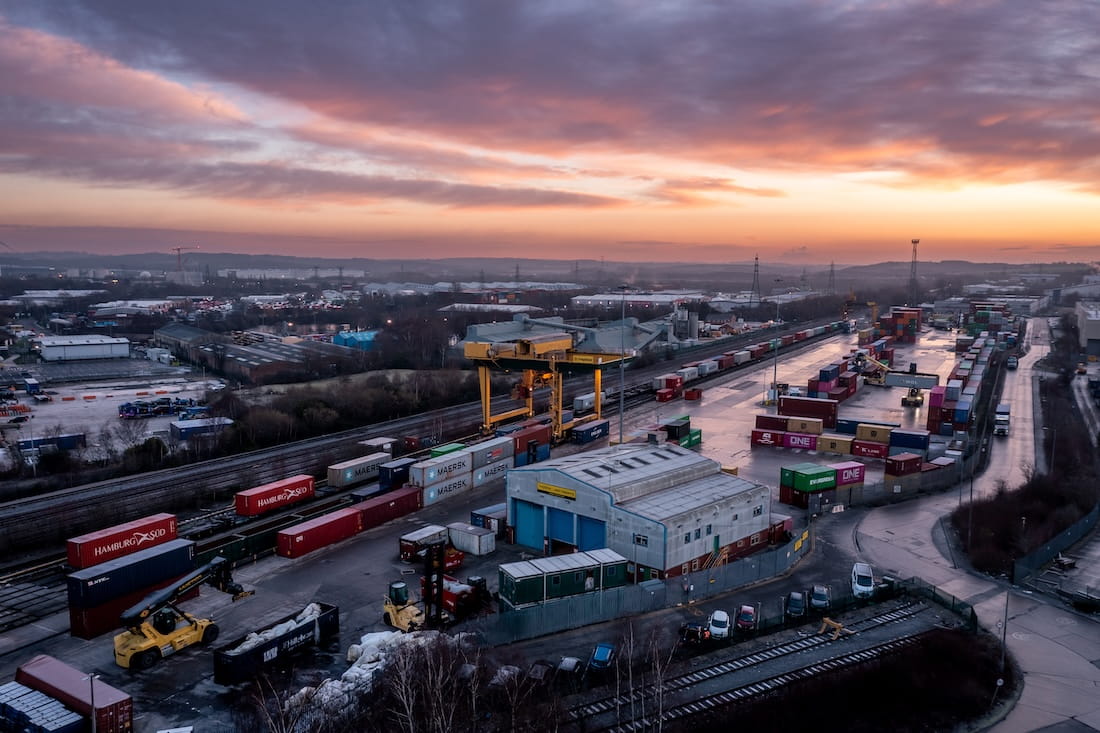
Modern supply chains need more than speed. With global disruption, rising costs, and shifting customer expectations, they need flexibility, visibility, and the ability to adapt when conditions change. That’s why intermodal transportation has become such an important strategy for businesses across Canada.
By combining multiple shipping modes while keeping freight in a single container, intermodal transportation can help companies reduce handling, improve efficiency, and build a more resilient supply chain.
For businesses in Saskatchewan, Alberta, and Manitoba, this matters even more. Long inland distances, changing weather conditions, cross-border shipping demands, and access to major rail corridors all shape how freight moves across the Prairies. A well-designed intermodal strategy can help companies in these provinces connect more easily to broader Canadian and international markets.
Whether you’re shipping goods domestically or managing cross-border freight into the US, understanding how intermodal works can help you make smarter transportation decisions. In this blog article, we’ll break down what intermodal shipping is, how it compares to multimodal transportation, and when it makes sense to use it as part of an effective supply chain strategy.
What Is Intermodal Shipping?
Intermodal shipping is the movement of goods using two or more modes of transportation, such as truck, rail, ship, or barge, while keeping the cargo in the same container throughout the journey.
The goods themselves aren’t unloaded and reloaded each time the mode changes. Instead, the container moves as a sealed unit from one transportation leg to the next.
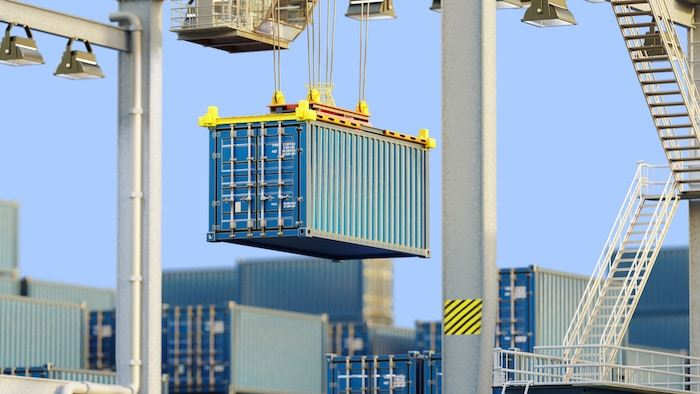
This process relies on standardized intermodal containers, also known as intermodal freight containers, which are built to transfer efficiently across rail systems, container trucks, and ships.
In practical terms, intermodal transportation often looks like this: a truck picks up a container at the shipper’s facility, delivers it to a rail terminal, the freight moves long distance by rail, and then another truck handles final delivery.
Types of Intermodal Transportation
When businesses look into the types of intermodal transportation, they’re usually trying to understand the most common combinations and where each makes sense.
Rail + truck
This is one of the most common intermodal models in Canada. Trucks handle local pickup and final delivery, while rail handles the long-haul portion. This combination can help reduce long-distance transportation costs while still maintaining flexibility at origin and destination.
Ocean + truck
This is often used for imported goods arriving through a port. Freight comes in by ship and continues inland by truck.
Ocean + rail
This combination is useful for moving high volumes of containerized freight from port to inland markets or distribution centres.
Rail + truck + ocean
This is common in larger domestic and international supply chains. Goods may move by truck to rail, then by rail to port, and then by ship to another market.
Barge + truck or barge + rail
In some regions, barges can also play a role in intermodal transportation. However, truck-and-rail combinations are more common for Canadian inland freight.
Intermodal Transportation vs. Multimodal Transportation
Intermodal transportation and multimodal transportation sound similar. Both involve more than one mode of transport, but the key difference is usually how the shipment is managed.
In intermodal transportation, the freight stays in the same container throughout the journey, but different carriers or providers may handle different legs. In traditional intermodal shipping, multiple contracts may be involved.
With multimodal transportation, one provider typically manages the full move under a single contract, even though multiple transportation modes are still used.
In North America, the term intermodal is commonly used when discussing containerized freight that moves across truck and rail networks. From a shipper’s perspective, both models can work well, but intermodal is especially valuable when the goal is to combine the strengths of different transportation systems without repeatedly handling the cargo.
Why Intermodal Transportation Matters in Canada
Canada is a large country with long shipping corridors, significant inland production, and strong trade relationships across North America and overseas. That makes intermodal transportation especially relevant.
Many businesses aren’t located near ports. Instead, they operate inland and need reliable connections to rail terminals, distribution hubs, border crossings, and export channels. Intermodal transportation helps bridge those gaps by combining the reach of trucking services with the efficiency of rail and other modes.
This is especially important in the Prairie provinces.
Saskatchewan
Businesses here often need to move freight long distances from inland origins before reaching major domestic or international shipping channels. For these shippers, intermodal can help connect production points to rail corridors and broader trade networks more efficiently.
Alberta
In Alberta, businesses often need flexible freight strategies that can support regional, national, and cross-border distribution. Intermodal shipping can help reduce reliance on long-haul road-only transportation while creating more scalable options for larger or recurring freight movements.
Manitoba
Manitoba plays an important role as a transportation and distribution link within Canada. For businesses moving goods east, west, or south into the US, intermodal can support stronger coordination between rail and truck networks while improving access to larger markets.
Building a Resilient Supply Chain With Intermodal Shipping
A resilient supply chain isn’t just about moving goods at the lowest possible cost. It’s about maintaining service levels, adapting to disruption, and giving your business more options when conditions change.
Intermodal shipping supports resilience in several ways.
1. Reduces Overreliance on a Single Transportation Mode
If your freight strategy depends entirely on long-haul trucking, you may be more exposed to fuel volatility, driver shortages, weather delays, and capacity issues. Intermodal offers alternatives, especially rail, which can provide greater stability over long distances.
2. Creates More Routing Flexibility
Resilient supply chains are built on options. Intermodal gives businesses more ways to move goods, depending on market conditions. If one route becomes congested or one mode is disrupted, a smart intermodal strategy means another practical path may be available.
3. Supports Better Cost Control Over Time
Cost pressure doesn’t go away. Intermodal transportation can help businesses improve transportation spend, especially for freight that doesn’t require direct truck-only service. Lower long-haul costs can free up budget and reduce strain during volatile periods.
4. Helps Manage Large Freight Volumes More Efficiently
For businesses moving consistent, containerized freight, intermodal can support your company as it scales. Rail, in particular, can move high volumes efficiently, which is valuable when demand increases or routes span major distances.
5. Minimizes Cargo Handling
Less handling means fewer opportunities for loss, damage, or delay. Because freight stays in the same container, intermodal shipping often provides a safer and more secure movement process than systems that require repeated unloading.
Key Factors to Managing Intermodal Freight Successfully
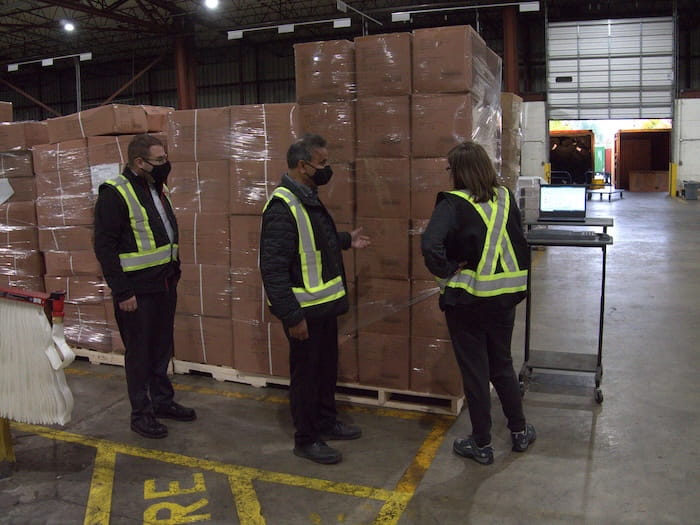
A strong intermodal strategy depends on more than just mode selection. It also depends on planning and execution. Here are some of the most important considerations when managing intermodal freight:
- Match the mode mix to the freight: Not every shipment belongs on rail. Consider freight value, commodity type, delivery timeline, and packaging requirements before choosing an intermodal model.
- Understand your lane characteristics: Distance, terminal proximity, border requirements, and final-mile delivery conditions all affect whether intermodal will be a good fit.
- Plan for handoffs and transfer points: The efficiency of intermodal shipping depends heavily on terminal performance and coordination between parties. Strong planning at these transition points helps reduce delays.
- Maintain shipment visibility: Tracking matters at every stage of the move. Good intermodal management requires accurate updates, proactive communication, and reliable milestone tracking.
- Keep documentation organized: Depending on the shipment, intermodal transport may involve separate documents for different legs, customs paperwork, bills of lading, and carrier-specific processes. Errors here can create costly delays.
- Work with the right logistics partner: The more moving parts a shipment has, the more valuable a reliable partner becomes. A strong provider helps coordinate schedules, manage risks, resolve exceptions, and improve continuity across trucking and rail services.
When Is Intermodalism the Preferred Method of Transportation?
Intermodalism is often the preferred choice when freight travels long distances, the shipment is containerized, and the business seeks a balance of cost efficiency, flexibility, and cargo protection.
It can be especially useful when:
- The shipment is moving across provinces or into cross-border markets
- The business wants to reduce reliance on truck-only capacity
- The freight is well-suited for rail on the long-haul leg
- Reducing handling is important
- Resilience and routing flexibility are key priorities
For many Prairie businesses, intermodal transportation isn’t just a logistics option. It’s a practical way to connect inland operations to larger supply chain networks in Canada and beyond.
Partner With an Intermodal Transportation Company That Cares
Now you know what an important role intermodal transportation can play in building a stronger, more resilient supply chain, especially for businesses across the Canadian prairies. When managed well, it can help reduce handling, improve flexibility, support long-distance efficiency, and create more dependable freight strategies.
At WTC Group, we understand that shipping decisions are not one-size-fits-all. Whether your business needs support with coordinating truck and rail, navigating containerized freight, or building a smarter long-term transportation strategy, our team is here to help.
Connect with WTC Group to explore intermodal transportation solutions that support your supply chain goals with care, coordination, and real-world experience.