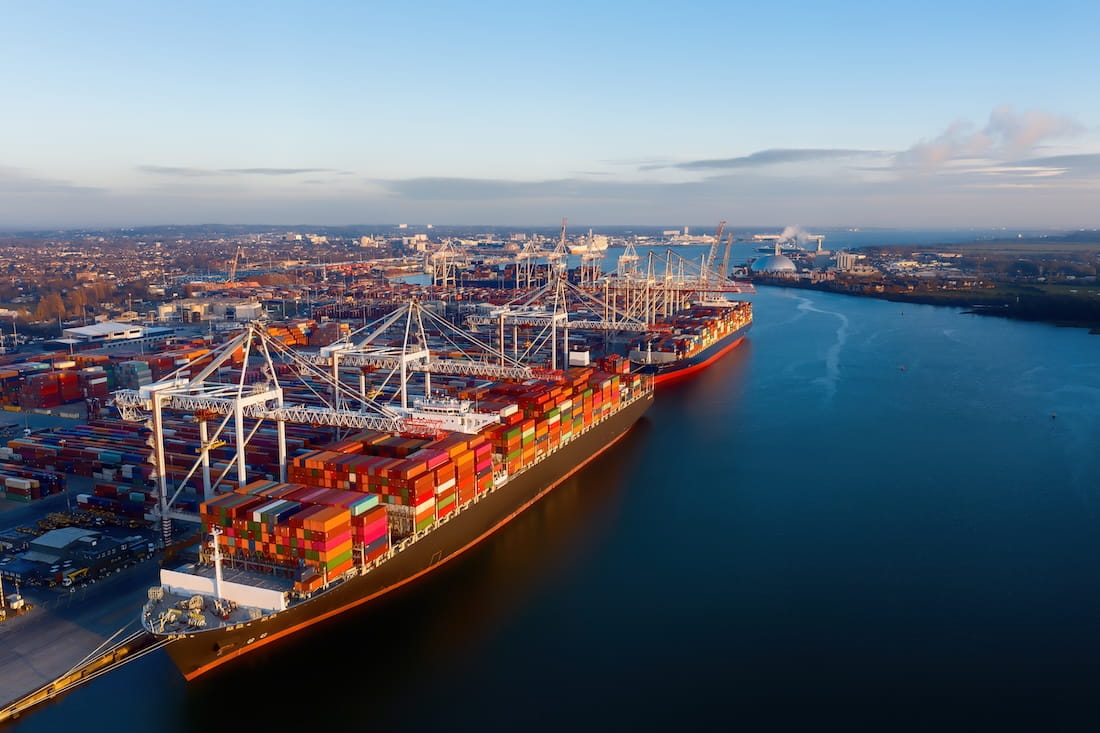
Cross-border shipping is getting less forgiving. With trade tensions rising, rules changing faster, and inspections tightening, the Canada-to-USA lane isn’t just “business as usual.” One small paperwork mistake can turn into a border delay, added costs, and a delivery date you suddenly cannot stand behind.
In today’s climate, these disruptions are not just inconvenient. They’re costing you money.
Cross-border shipping between Canada and the United States still looks simple from the surface. Our two countries continue to trade billions of dollars in goods every year, share similar standards, and operate next door to one another. But the margin for error has never been smaller.
If you’ve ever experienced a shipment getting stuck at the border, dealing with changing international shipping rates, or navigating paperwork issues that can lead to missed deliveries and strained customer relationships, you know how challenging it can be.
At WTC Group, we work with shippers every day, moving freight from Canada to the U.S. and back again. Below are the seven most common cross-border shipping mistakes we see, and more importantly, how you can avoid costly delays and disruptions in an increasingly unpredictable trade landscape.
The 7 Cross-Border Shipping Mistakes That Cost the Most Right Now
1. Waiting Too Long to Set Up a Customs Broker
A major mistake in cross-border shipping is handling customs brokerage at the last minute.
A customs broker represents you at the border. They require power of attorney, a deep understanding of your products, and alignment with your shipping service and carriers. You don’t want to leave the setup to the last minute since these relationships don’t appear overnight.
How to avoid it:
Talk to a customs broker at least one to two weeks before your first cross-border shipment. At WTC Group, we ensure broker relationships are established early so your freight is cleared before it ever reaches the border.
2. Mismatched or Incomplete Documentation
Have you double- or triple-checked all of your important documents? Documentation errors remain among the top reasons freight is held at the border.
Your bill of lading, commercial invoice, and any required customs forms must match exactly. Even small discrepancies in product descriptions, quantities, values, or currency can trigger inspections and delays.
How to avoid it:
Always look over all of your documents before shipping. This includes confirming currency of sale, shipment value, HS codes, and country of origin. Finding a reliable cross-border shipping partner will help because they’re able to catch errors like these before they become costly.
3. Shipping Before You Are Fully Aligned With Your Broker
Shipping freight before your customs broker has reviewed and approved all documentation is a common and avoidable mistake. In the rush of coordinating carriers, warehouses, and delivery windows, documentation review can feel like something that can be finalized after the fact.
However, once a shipment is in motion, fixing paperwork issues becomes significantly harder and more expensive.
How to avoid it:
Create a pre-shipment checklist that requires broker confirmation before freight is released. At WTC Group, we coordinate closely with brokers and carriers, so nothing moves until everything is in place.

4. Underestimating Transit Time at the Border
If you’re shipping across borders, there are added variables that you don’t usually need to deal with when moving goods domestically. Think inspections, congestion, driver hour limitations, and seasonal surges. All of these elements can impact delivery timelines.
This is especially important for shippers relying on tight delivery windows from Canada to the U.S. or managing customer expectations for global shipping.
How to avoid it:
Build realistic buffers into your transit plans. For Canada-U.S. shipments that are properly pre-cleared, crossings can be quick, but unexpected delays still happen. Planning for them protects your supply chain and your customer relationships.
5. Not Having After-Hours Contacts
Border issues do not follow a nine-to-five schedule. If a problem shows up on a Friday evening and they can’t reach anyone from your organization, your shipment could sit idle until Monday.
And that wait adds up fast. You could be looking at extra storage fees, missed delivery appointments, and the kind of delay that chips away at trust with your customers.
How to avoid it:
Make sure you have after-hours contact information for your shipping service, customs broker, and internal team. You shouldn’t work around the clock, but when something goes wrong after hours, it matters that the right people can still be reached to handle urgent issues.
By partnering with WTC Group, you’ll get access to an experienced team that prides itself on proactive communication and support beyond standard business hours. We want to resolve any issues quickly.
6. Choosing Carriers Without Cross-Border Experience
Not all carriers are equipped for cross-border shipping. Lack of proper certifications, unfamiliarity with border procedures, or failure to participate in the security program can stop a shipment cold.
How to avoid it:
Work with carriers that are certified, government-cleared, and experienced in cross-border freight. Before we work with any carriers, we vet them carefully to ensure they meet all cross-border and international shipping requirements.
7. Focusing Only on Rates Instead of Total Cost
It’s tempting to chase the lowest international shipping rates. But low rates often mask higher costs later, through delays, rework, customs issues, or unexpected international shippig fees.
The true cost of cross-border shipping includes reliability, compliance, visibility, and risk management.
How to avoid it:
Evaluate cross-border shipping based on total value, not just price. A trusted logistics partner helps you balance cost efficiency with consistency, compliance, and peace of mind.
Choosing the Cross-Border Shipping Partner Matters
Cross-border shipping isn’t just about moving freight from point A to point B. It’s about navigating regulations, coordinating multiple stakeholders, and protecting your supply chain from unnecessary risk.
At WTC Group, we specialize in cross-border shipping between Canada and the U.S. and internationally, offering end-to-end support that includes documentation coordination, carrier selection, customs alignment, and real-time visibility.
Whether you are shipping to the USA from Canada, managing delivery from Canada to the U.S., or expanding your international shipping strategy, our team is here to help you avoid costly mistakes and keep your freight moving smoothly.
If you are looking for a better cross-border shipping service, contact us today.