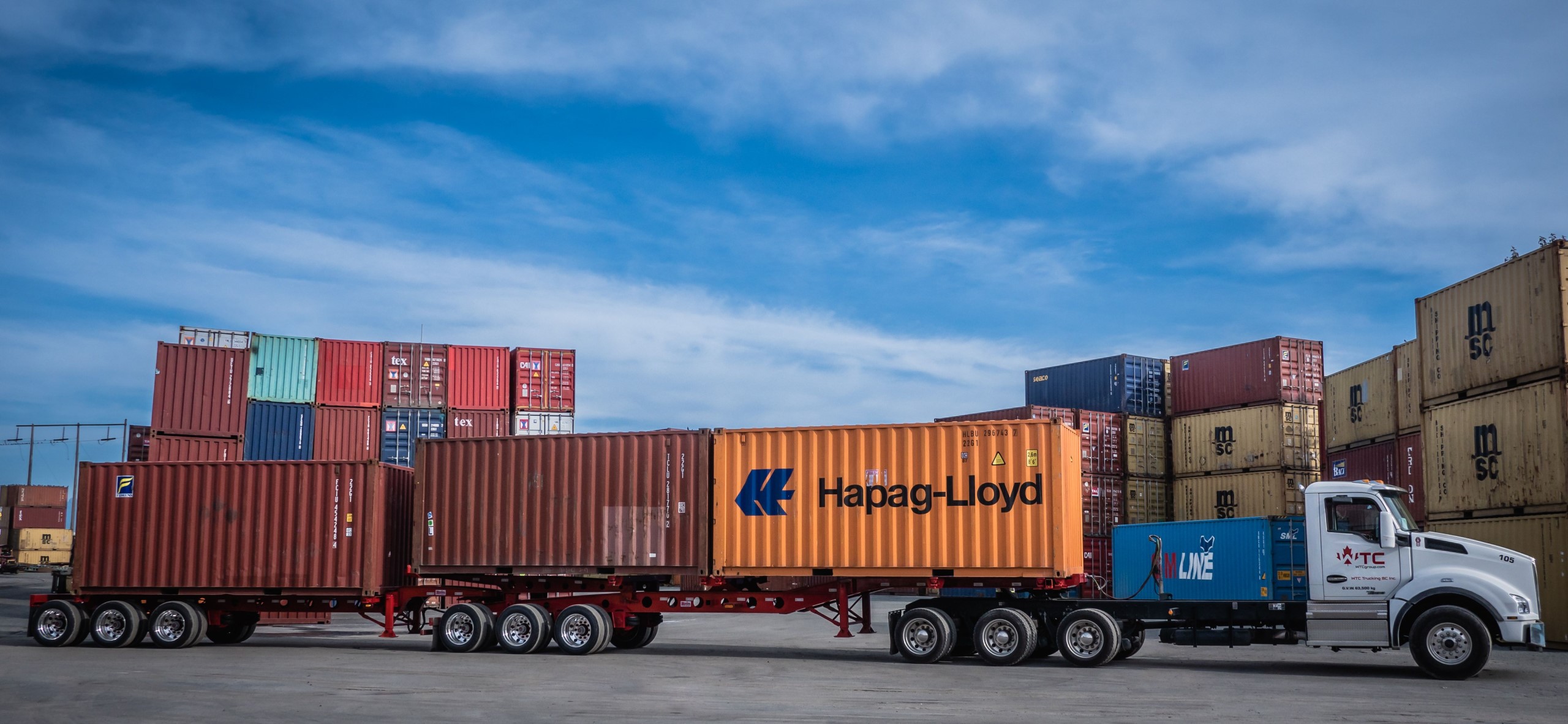
With volatile international relationships and constantly changing economic conditions, transportation costs are rising, buyer demand is shifting, and supply chains are becoming increasingly unpredictable. In these shifting conditions, working with a reliable freight consolidator can help businesses stay efficient, control expenses, and keep shipments on schedule.
Whether you’re moving pulses and grains, resin, lumber, or even retail merchandise, logistics inefficiencies can eat into margins fast. To stay ahead of the competition, your business needs a strong freight strategy that stabilizes your supply chain, reduces waste, and maintains profitability even when markets fluctuate.
Partnering with an experienced freight consolidator will help you reach your goals and transform how you move goods, no matter the size of your business. By grouping smaller shipments into a single full load, freight consolidators make shipping more cost-effective, sustainable, and reliable.
At WTC Group, we see this process in action every day. Our logistics team helps clients across industries streamline shipping, reduce waste, and simplify complex supply chains—all while improving delivery performance.
In this article, we’ll break down exactly what a freight consolidator does and walk you through the process from start to finish. Let’s make sure you have the information you need to make the best logistics decision for your business.
What Does a Freight Consolidator Do (and Why It Matters for Your Business)
An effective freight consolidator is much more than a mediator for shipments. When partnering with the right freight consolidator, you’ll find a logistics expert who brings strategy, coordination, and deep industry knowledge to every movement of your goods.
As a logistics partner, their job is to combine multiple smaller shipments, often from different companies, into one full truckload (FTL) or container load (FCL). But the value lies in how they do it.
Think of it as carpooling for cargo, guided by a professional planner. Instead of each business paying to move a half-empty truck, a consolidator strategically groups shipments heading in the same direction to maximize space, reduce costs, and avoid delays.
Effective freight consolidation requires understanding routes, timing, and freight compatibility—and having the right technology and carrier relationships to execute it smoothly.
For businesses that ship smaller quantities, for instance, in industries like pulp, retail merchandise, or fertilizers, an experienced freight consolidator levels the playing field.
Your organization gains access to competitive rates, faster delivery timelines, and fewer supply chain headaches. All without needing massive volume or a dedicated logistics team.
Freight consolidation is all about efficiency, visibility, and cost savings. An experienced consolidator stands out because they do more than move freight. They go beyond that by anticipating risks, coordinating with carriers, and designing routes to reduce handling and transit time.
By using planning, data, and coordination, they turn fragmented, costly shipments into a smooth flow, keeping your supply chain agile and competitive.
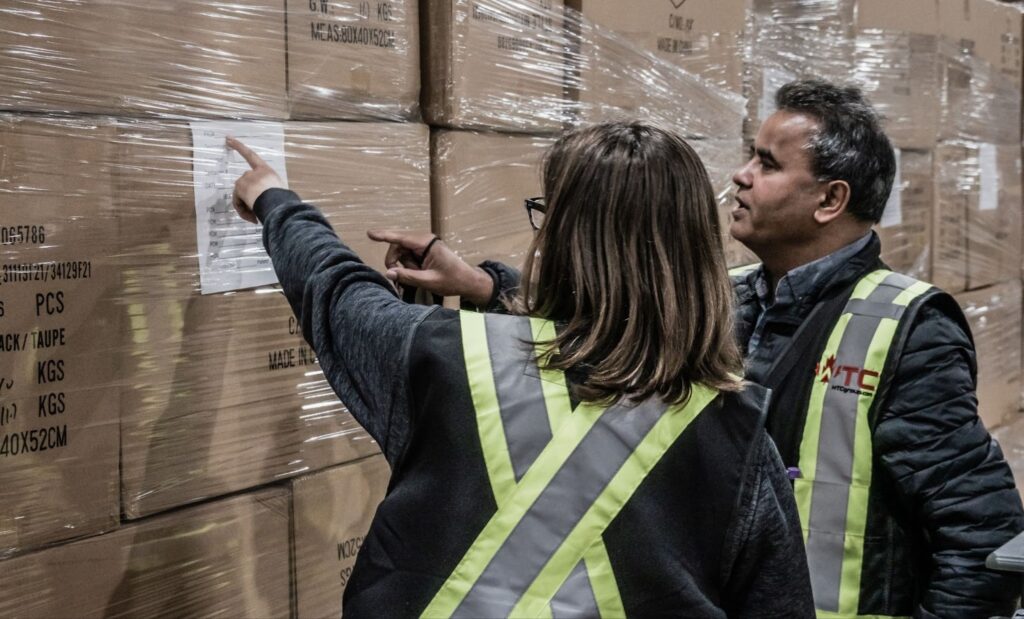
Key Benefits of Freight Consolidation
Lower Transportation Costs
Freight consolidation helps save money by combining several smaller, less-than-truckload (LTL) shipments into a single full-truckload (FTL) shipment. The more goods we combine, the more affordable shipping per unit becomes.
Consolidation means that smaller and mid-sized businesses have access full-load pricing. This helps them avoid paying premium rates for partial shipments.
Faster, More Reliable Delivery
Consolidated loads move more directly to their destinations with fewer touchpoints. Fewer stops mean less time in transit, and fewer opportunities for delays, damages, or misrouting.
A shipment that could take six days through several LTL transfers can often arrive at its destination in just two or three days with a consolidated model.
Reduced Risk and Damage
With fewer handoffs between facilities, people need to handle consolidated freight less. This translates into a lower risk of product damage, no matter how cautious workers are. This is especially important for materials like resin pellets or lumber, which can be sensitive to moisture, temperature, or rough handling.
Sustainability and Lower Emissions
As sustainability increasingly becomes an essential consideration for supply chains worldwide, freight consolidation emerges as a more favourable and environmentally friendly transportation option.
Freight consolidation means fewer trucks on the road. By optimizing space and minimizing trips, companies reduce their carbon footprint and fuel use, supporting their ESG goals and improving efficiency.
Simpler Tracking and Transparency
Instead of managing multiple tracking numbers for different LTL shipments, consolidated freight often moves under a single tracking ID. Solutions like consolidated fast freight tracking make it easier to monitor progress in real time, helping managers stay proactive and informed.
For WTC Group clients, this visibility is key. Our industry-leading logistics technology, ShipSmpl, gives decision-makers complete control over inventory in motion—from pickup to delivery—so they can make informed decisions faster.
The Freight Consolidation Process: Experts Turn Planning into Performance
Behind every efficient shipment is a carefully orchestrated process. Yes, every freight consolidator follows a similar framework. But the difference between an average consolidation provider and a strategic partner lies in how they manage each step:
1. Pickup and Coordination
What many people don’t realize is that the process starts long before trucks hit the road. Experienced consolidators plan inbound pickups so that there’s optimal timing, routes, and load sequencing. They’re constantly communicating with multiple shippers, sometimes across industries, to ensure that schedule and capacity are always aligned.
This part of the planning determines whether your freight flows seamlessly or stalls mid-transit.
2. Consolidation at the Hub
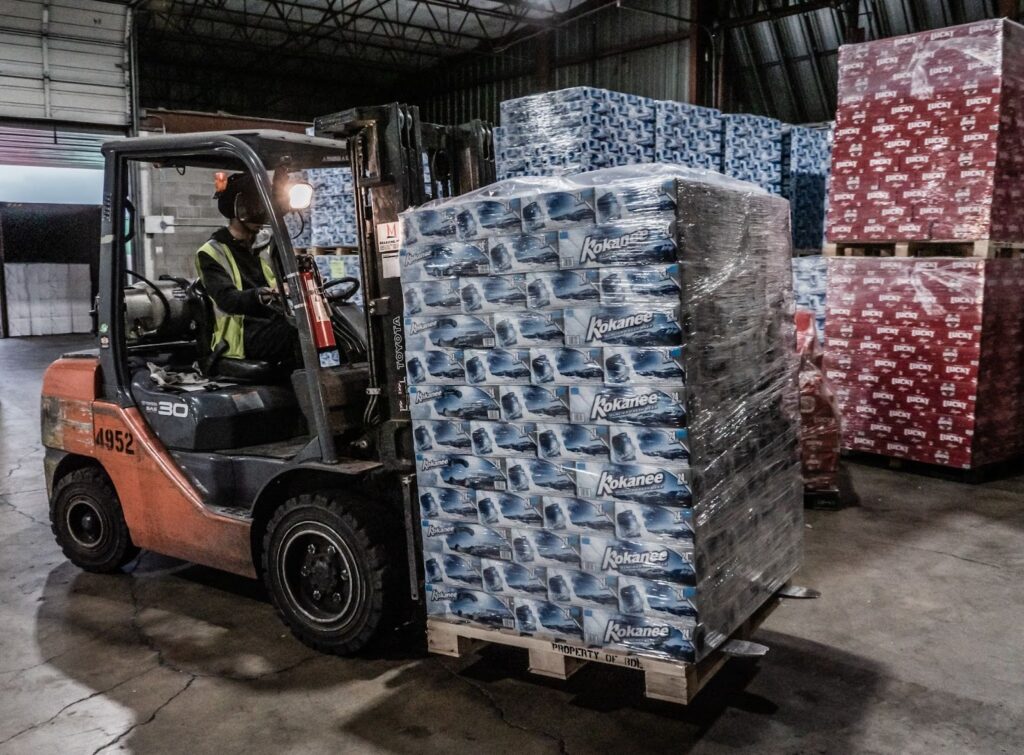
Once goods arrive at a central facility, they’re sorted, inspected, and combined into optimized full loads. This is where the consolidator’s technology and attention to detail shine.
Freight is grouped not just by destination, but by compatibility. The goal is to minimize handling risks for sensitive or specialized materials, such as pulp, resin or fertilizer.
3. Transportation and Real-Time Management
When the consolidated load moves out, shipment visibility becomes critical. The best freight consolidators don’t just hand freight off to a carrier; they stay involved. They must continue to monitor performance, track delays, and adjust as conditions change.
At WTC Group, our team maintains direct communication among drivers, dispatchers, and clients to ensure shipments are predictable and transparent.
4. Deconsolidation and Final Delivery
At the destination hub, the shipment is broken down and distributed to final receivers, whether they’re retailers, mills, or storage facilities. Skilled consolidators are detail-oriented, especially at this stage, ensuring goods are correctly sorted and dispatched without costly downtime or rehandling errors.
Freight Consolidation vs. Freight Forwarding
Many business leaders use these terms interchangeably, but freight consolidators and freight forwarders play distinct roles in logistics.
| Aspect | Freight Consolidator | Freight Forwarder |
| Primary Function | Combines smaller shipments into one full load to reduce costs. | Manages the complete end-to-end shipping process, including customs and documentation. |
| Ideal For | Businesses shipping smaller or regional loads that don’t fill a truck or container. | Companies handling complex, multi-modal, or international shipments. |
| Pricing Model | Volume-based (pay for the space you use). | Service-based with added margins for management and coordination. |
| Flexibility | Focused on cost efficiency and shared transport. | Highly flexible, offering warehousing, customs clearance, and insurance. |
| Delivery Speed | May involve short wait times while grouping shipments. | Can be faster for direct, full-load or high-priority shipments. |
In short, a freight consolidator focuses on maximizing space and minimizing costs, while a freight forwarder manages the entire journey from origin to destination.
For many of WTC Group’s clients, we’ve found a hybrid freight transportation approach works best. That means using freight consolidation for efficiency and forwarding services for international or multi-stage shipments.
Making the Right Choice for Your Business
Choosing between a consolidator and a forwarder depends on your shipment volume, frequency, and logistics goals. Here are a few questions every decision-maker should ask before making a decision:
- Are my shipments large enough to fill a truck or container on their own?
- How often am I sending freight to the same regions?
- Do I need visibility across multiple carriers and routes?
- Is cost reduction or speed my top priority?
- Can a logistics partner integrate directly with my operations team or ERP system?
If you find your team juggling multiple small shipments or struggling with fluctuating freight costs, consolidation could be the tool that you need to come out ahead of your competitors. .
Make Sure Freight Consolidation Is a Strategic Advantage
Don’t think of a freight consolidator as simply a cost-cutting tool. Instead, think of them as a strategic partner in optimizing your supply chain. By simplifying logistics, reducing waste, and improving transparency, consolidation helps organizations stay resilient in uncertain markets.
In industries where timing, margins, and reliability make all the difference, companies that leverage freight consolidation can move smarter, not just faster.
At WTC Group, we bring that strategy to life. From pulses and grains to aggregates and retail goods, our team helps clients across North America unlock the efficiencies of consolidated logistics.
Contact WTC Group to learn how our freight consolidation services can simplify your shipping strategy and strengthen your bottom line.