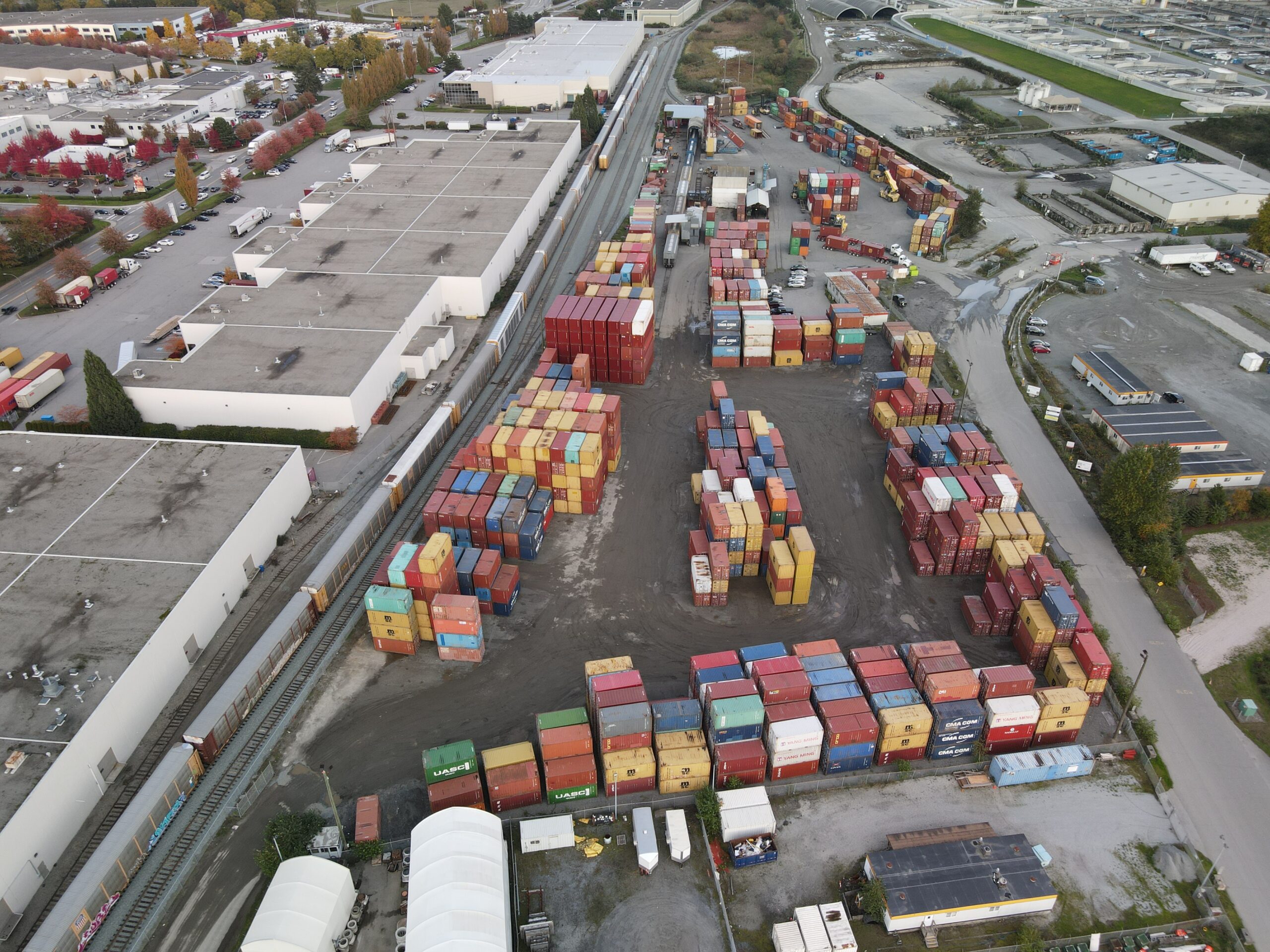
If you’ve ever shipped bulk commodities, you know the headaches: port congestion that leaves containers sitting for days, unpredictable transit times, and extra trucking legs that eat into margins. Every delay means costs stack up and schedules slip.
Rail freight transport offers a way out of that cycle—especially when it’s backed by the right infrastructure and technology. With the speed and reliability of rail, plus strategic connections to ports and inland terminals, shippers can move high volumes efficiently without sacrificing control. At WTC Group we combine direct rail access with advanced tracking tools to keep freight flowing, costs contained, and customers happy.
Rail Freight Transport Moves Faster with the Right Terminals

Where your cargo gets on and off the rail makes a huge difference in how fast and cheap it moves. If the terminal’s too far from the port or not set up for the right transfers, you end up paying for extra truck hauls and burning days you can’t afford to lose.
WTC Group’s Kingsway, Lindsey, and Ewen terminals are all rail-served and right near the Port of Vancouver, with direct CN and CPKC connections. That setup means you can go from ship to rail—or the other way around—in fewer steps. At Lindsey, they handle bulk-to-bulk and bulk-to-bag for ag products under one roof, so you’re not moving loads between multiple sites just to get them packaged and on their way.
Getting location and layout right from the start saves time, cuts handling, and makes it easier to keep different parts of the supply chain in sync.
Rail Freight Transport That Works for Grain, Resin, Lumber, You Name It

Bulk commodities aren’t all handled the same way. Grain needs strict food safety compliance, plastic resin requires dust-free handling, and lumber demands secure strapping to protect loads in transit. The most effective rail freight transport setups can adapt to each commodity’s unique requirements without slowing down operations.
WTC Group’s transloading facilities are built for this kind of flexibility. Grain and pulses are moved in controlled environments to meet export quality standards. Plastic resin is packaged using equipment that minimizes contamination and loss. Lumber and pulp are secured with industry-approved blocking and bracing so they arrive in market-ready condition. Each commodity moves through processes designed to protect value and maintain efficiency, no matter the volume.
That ability to pivot between products without sacrificing speed or safety makes a big difference for shippers handling diverse cargo throughout the year.
Tech That Puts You in the Rail Freight Transport Driver’s Seat
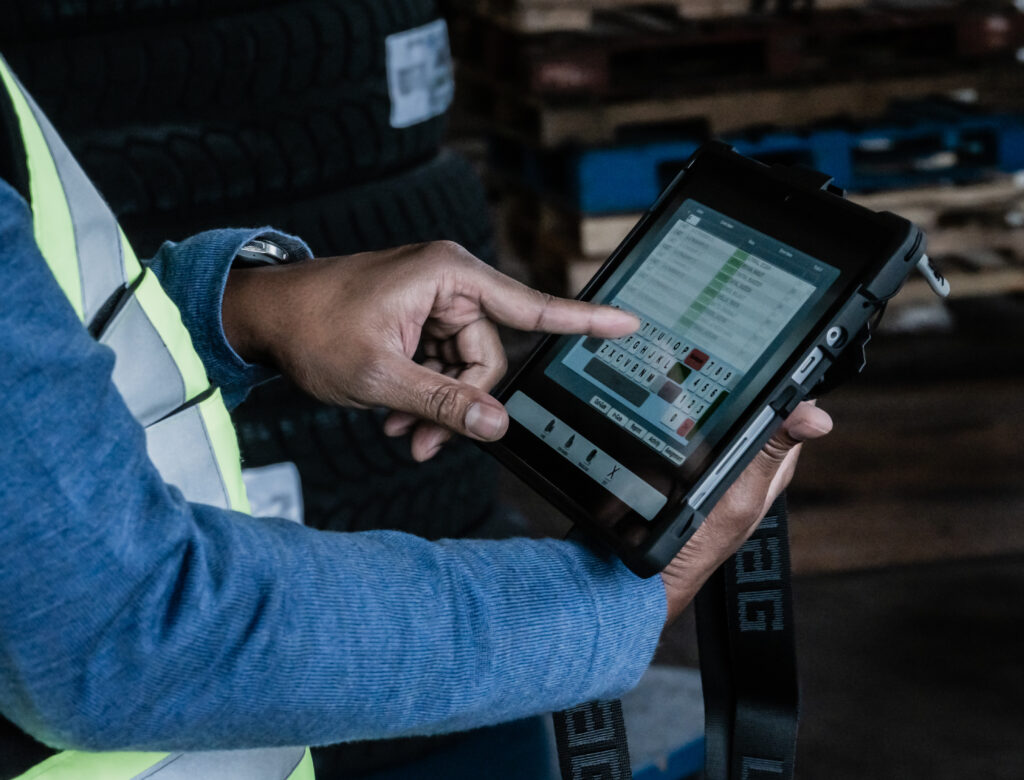
When you’re moving high volumes, the biggest headaches usually start when you don’t know where your freight is. A shipment gets held up, nobody tells you until it’s already late, and suddenly production is scrambling. That’s the reality for a lot of shippers still relying on phone calls and paper updates.
WTC Group fixes that with our ShipSmpl platform. It hooks straight into CN and CPKC’s rail systems, pulling live data so you can see where your cargo is at any given moment. RFID tags and smart sensors track movements through the terminals, so you’re not guessing if a load was transferred or still sitting on a siding. It’s the kind of visibility that lets you adjust on the fly—reroute, speed up, or get ahead of a delay before it becomes a problem.
Why Rail Freight Transport Wins on Cost and Carbon
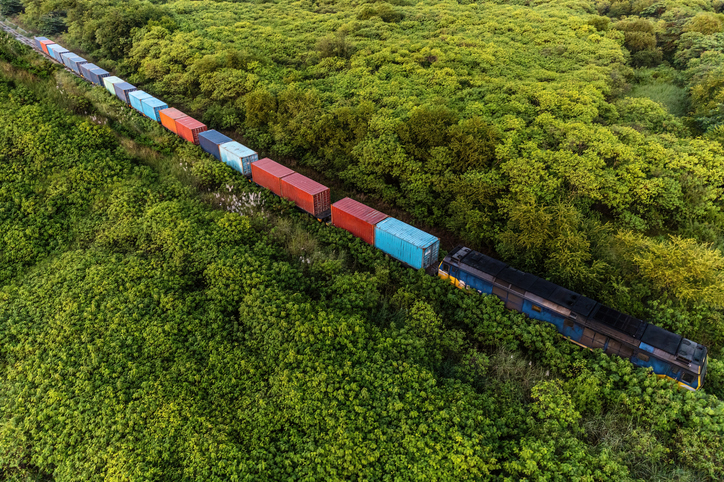
When freight goes “in transit” and you can’t get a straight answer on where it is, that’s when schedules blow up. Real-time tracking takes that problem off the table. You can spot a delay early, shift plans, and keep the rest of your supply chain moving instead of waiting around.
And when you’re talking bulk commodities, every extra mile and every extra move costs money—and burns more fuel. Rail hauls big volumes using a fraction of the fuel it takes to move the same load by truck. That’s why the bills come in lower and the emissions numbers look better. The EPA says rail can put out up to 75% less CO₂ per ton-mile than trucks, and when you’re moving thousands of tons, that’s a serious difference.
WTC Group’s rail-connected terminals help cut waste even further. You’re not sending trucks back and forth to distant yards just to get your load on the rails. Less drayage means fewer steps, less congestion, and lower fuel costs. For shippers looking to trim expenses and hit their sustainability targets, that’s a combination that’s hard to beat.
Move Bulk Commodities Smarter with Rail Freight Transport

Moving bulk goods isn’t just about finding a train and loading it up. If the terminals aren’t in the right place, if the transfers take too long, or if you can’t see what’s happening in real time, the whole supply chain starts bleeding time and money. That’s where rail freight transport—done right—really pays off.
WTC Group has the rail connections, the equipment, and the tracking tools to keep big volumes moving without all the usual slowdowns. From grain to resin to lumber, we have built systems that cut out wasted steps and keep you in the loop the whole way.
If you’re tired of chasing updates or dealing with bottlenecks that could’ve been avoided, it’s worth talking us at WTC Group about your next move.