Returned products are one of the biggest blind spots in the supply chain. Most businesses plan meticulously for outbound shipping. But when it comes to handling returns, refurbishments, and recycling, the process is often messy and expensive.
The Cost of Returns Is No Joke
Reverse logistics is the process of moving goods from their final destination back up the supply chain to a manufacturer or retailer. When done properly, it can be a strategic way to recover value, lower costs, and reduce waste across every stage of the supply chain.
In the U.S. alone, consumers are expected to return more than $890 billion worth of goods this year. Companies that don’t have a plan for how to manage those returns are leaving money on the table.

Reverse Logistics, Defined
Reverse logistics includes the systems and workflows that move products backward through the supply chain. These processes can involve:
- Customer returns
- Warranty or service repairs
- Refurbishment and resale
- Recycling or responsible disposal
- Unsold inventory sent back from retailers
The goal is to recover value from returned or unsellable goods by repairing, reselling, or recycling them instead of sending them to landfill. Retailers, electronics firms, and manufacturers use reverse logistics to cut waste, reduce costs, and keep inventory moving.

How Reverse Logistics Reduces Waste
Reverse logistics isn’t just about sending products back; it’s about keeping materials in play for as long as possible. A good system cuts waste at multiple points in the supply chain.
1. It Keeps Products Out of Landfills
One of the biggest waste streams in retail comes from returned items that aren’t defective—they’re just unwanted or opened. Without a clear process, those products often get trashed. But with proper grading, repackaging, or refurbishing, many can be resold through secondary channels, salvaging revenue and avoiding disposal.
| Over 6 billion pounds of waste are generated through product returns each year. Shockingly, 80% of retail returns end up in landfills. (Source: BusinessWire) |
2. It Gives Overstock a Second Chance
Reverse logistics allows companies to redirect unsold inventory instead of writing it off. Items sitting in one region can be rerouted to stores or channels where they’ll actually move. This reduces waste from markdowns or liquidation, and helps smooth out inventory imbalances.
3. It Reduces Packaging and Emissions
Returns handled in bulk are more efficient to process and generate less packaging waste. Some businesses also skip return shipping altogether for low-value goods, offering refunds without requiring the item back. These “returnless refunds” cut emissions from unnecessary transportation and reduce warehouse congestion.
4. It Supports a Circular Model
When returns are treated as a resource, not a nuisance, companies can build circular workflows. That might mean selling refurbished electronics, reusing components in manufacturing, or setting up take-back programs for recycling. All of it adds up to less landfill waste and a more sustainable supply chain overall.
| Nearly 70% of companies say using the secondary market gives them a competitive advantage. (Source: Reverse Logistics Sustainability Council) |
The Role of Technology and Automation
Reverse logistics used to be slow, manual, and expensive. That’s changing—fast. New tools are making it easier to process returns at scale, cut down on errors, and recover more value from returned goods.
1. Smarter Sorting and Grading
AI-powered systems can now assess returned items quickly and consistently. Whether it’s identifying damage, confirming restock eligibility, or routing a product for repair or recycling, automation takes the guesswork out of the process.
This speeds up decision-making and reduces the number of items that sit idle in warehouses, eating up space and value.
2. Data-Driven Return Management
Modern reverse logistics platforms track why items are returned, where they came from, and what happens to them next. That data helps businesses improve product design, packaging, and even customer service.
For example, if a specific SKU is driving high return rates due to sizing or fit issues, the data flags it. That insight can reduce future returns and improve customer satisfaction.
3. Warehouse Integration
Returns can now be scanned, sorted, and rerouted the moment they hit the dock. Smart labeling, robotics, and connected systems reduce handling time and minimize touches—every one of which costs time and money.
Automated restocking also shortens the window between a return and resale, which is critical for seasonal or fast-moving items.

Why It Matters Now
Returned goods are tying up warehouse space, eroding margins, and pushing waste streams higher than ever. Without a reliable system in place, even well-run operations can get buried under the volume.
Return rates keep climbing, especially in e-commerce, and new sustainability regulations are raising the stakes. Brands are expected to recover products responsibly, reduce carbon output, and still keep customers happy.
Reverse logistics is where all of that comes together. Companies that streamline this part of the supply chain aren’t just reducing waste—they’re gaining speed, control, and resilience.

A Smarter Way to Handle Returns
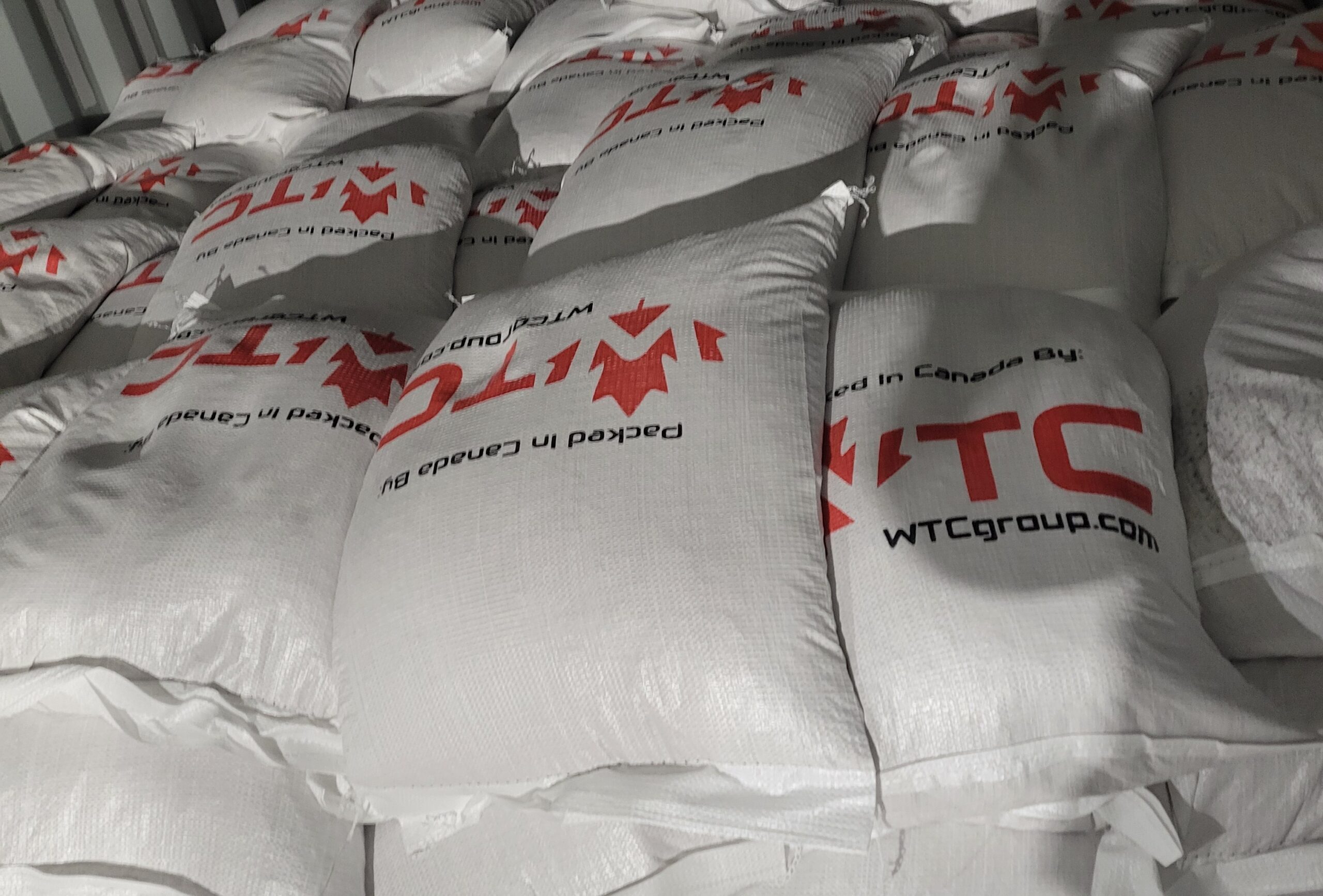
Managing returns at scale takes more than good intentions. It takes infrastructure, coordination, and experience. WTC Group supports businesses across Canada with end-to-end logistics solutions that handle both forward and reverse flows—making it easier to turn returns into recoverable value.
Returns aren’t going away. But the chaos that usually comes with them? That’s optional. Connect with WTC Group to learn how streamlined reverse logistics can reduce waste and keep your operation moving.